Textile design trends 2025 sets the stage for this enthralling narrative, offering readers a glimpse into a story that is rich in detail with entertaining interactive style and brimming with originality from the outset.
Get ready to dive into the world of textile design as we uncover the latest color palettes, patterns, and materials that will shape the industry in 2025 and beyond.
Textile Design Trends 2025
In 2025, the textile design industry is expected to showcase a range of innovative trends that will shape the future of fashion and interior design. From color palettes to patterns and materials, let’s delve into the forecasted trends for 2025.
Forecasted Color Palettes
When it comes to color palettes in 2025, we can expect a fusion of bold and earthy tones. Vibrant hues like electric blue and fiery red are anticipated to dominate, alongside calming shades of sage green and terracotta. The combination of contrasting colors will create a dynamic and visually appealing aesthetic in textile design.
Emerging Patterns and Motifs
In 2025, geometric patterns and abstract motifs are predicted to gain popularity in textile design. Intricate designs inspired by nature, such as florals and foliage, will also make a significant impact. Textures like embroidery and appliqué will add depth and dimension to fabrics, enhancing the overall visual appeal.
Materials and Textures
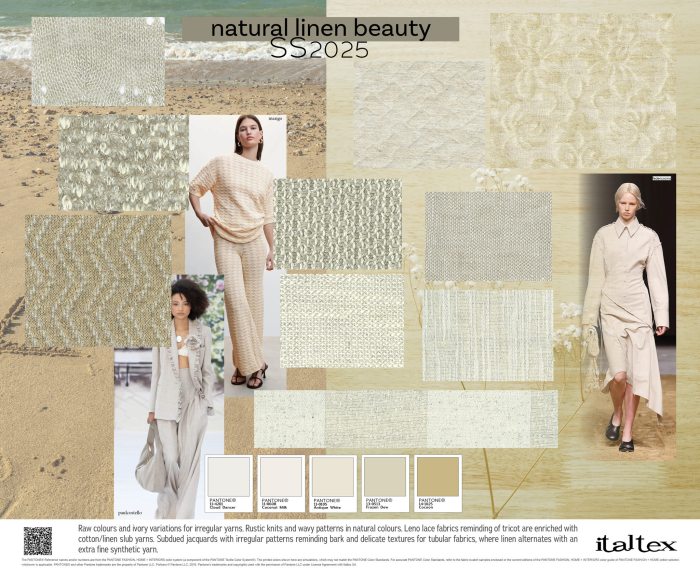
In terms of materials, sustainable and eco-friendly fabrics are projected to be at the forefront of textile design trends in 2025. Organic cotton, hemp, and bamboo will be favored for their environmental benefits and luxurious feel. Textures like velvet, silk, and faux fur will continue to be popular choices, adding richness and sophistication to clothing and home decor.
Sustainable Practices in Textile Design
In recent years, there has been a significant shift towards sustainability in the textile industry. As environmental concerns continue to rise, designers are increasingly turning to eco-friendly practices and materials to create innovative textile designs that are both stylish and environmentally conscious.One of the key ways sustainability initiatives are influencing textile design trends for 2025 is through the development of innovative eco-friendly materials.
Designers are exploring a wide range of sustainable alternatives to traditional fabrics, such as organic cotton, bamboo, hemp, and recycled polyester. These materials not only reduce the environmental impact of textile production but also offer unique textures and properties that can inspire new design possibilities.In comparison to traditional textile production methods, sustainable alternatives are gaining traction in 2025 due to their lower carbon footprint, reduced water and energy consumption, and minimal use of harmful chemicals.
By embracing practices like zero-waste manufacturing, natural dyeing processes, and closed-loop recycling systems, designers are able to create high-quality textiles that are kinder to the planet.
Innovative Eco-Friendly Materials
- Organic cotton: Grown without synthetic pesticides or fertilizers, organic cotton is a sustainable alternative that promotes soil health and biodiversity.
- Bamboo: Known for its rapid growth and minimal water requirements, bamboo fibers are soft, breathable, and biodegradable.
- Hemp: A versatile and durable material, hemp is naturally resistant to pests and requires little water and no chemicals to grow.
- Recycled polyester: Made from post-consumer plastic bottles, recycled polyester helps reduce waste and energy consumption in textile production.
Sustainable Production Methods
- Zero-waste manufacturing: By optimizing pattern cutting and fabric usage, zero-waste production techniques minimize textile waste and maximize resource efficiency.
- Natural dyeing processes: Using plant-based dyes and non-toxic chemicals, natural dyeing methods eliminate harmful pollutants and reduce water pollution in textile production.
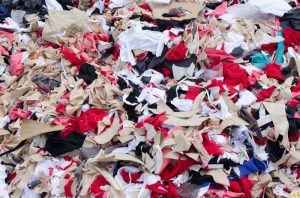
- Closed-loop recycling systems: These systems collect and reprocess textile waste to create new fibers, extending the lifecycle of materials and reducing the need for virgin resources.
Technology Integration in Textile Design
Technology continues to play a vital role in shaping the future of textile design, with advancements like AI, VR, digital printing, and 3D modeling revolutionizing the industry.
AI and VR in Textile Design Trends for 2025
AI and VR technologies are increasingly being utilized in textile design to streamline processes and enhance creativity. AI algorithms can analyze vast amounts of data to predict trends and consumer preferences, helping designers make informed decisions. On the other hand, VR allows designers to visualize their creations in a virtual environment, enabling them to experiment with different patterns, colors, and textures without the need for physical prototypes.
Digital Printing Techniques in Textile Design
Digital printing has transformed the way textiles are designed and produced, offering greater flexibility, customization, and sustainability. This technology allows for intricate designs, vibrant colors, and complex patterns to be printed directly onto fabrics, eliminating the need for traditional printing methods that are often wasteful and harmful to the environment.
Impact of 3D Modeling and Simulation on Avant-garde Textile Designs
D modeling and simulation have opened up new possibilities for creating avant-garde textile designs that push the boundaries of traditional craftsmanship. Designers can now visualize and prototype their ideas in a virtual space, experimenting with shapes, textures, and structures that were previously impossible to achieve. This technology has paved the way for innovative and futuristic creations that are redefining the future of textile design.
Textiles and Nonwovens
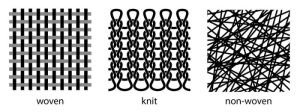
In the world of design and functionality, textiles and nonwovens play crucial roles with their distinct characteristics and applications.The key differences between textiles and nonwovens lie in their manufacturing processes and structures. Textiles are typically created through weaving, knitting, or felting, resulting in a fabric made of interlaced yarns. On the other hand, nonwovens are produced by bonding or felting fibers together without weaving or knitting, creating a fabric-like material.
Industries Predominantly Using Nonwovens
Nonwovens find extensive use in industries where specific properties such as absorbency, liquid repellence, stretchability, or breathability are required. Some prominent examples include:
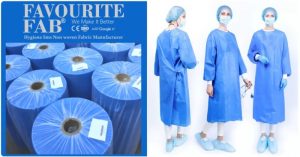
- Medical: Nonwoven fabrics are commonly used in surgical masks, medical gowns, and wound dressings due to their disposable nature and ability to provide a barrier against contaminants.
- Hygiene: Products like baby diapers, feminine hygiene products, and wipes utilize nonwoven materials for their softness, absorbency, and strength.
- Agriculture: Nonwovens are used in crop covers, mulching fabrics, and protective clothing for agricultural workers, providing UV protection, insulation, and breathability.
Unique Characteristics of Nonwovens
Nonwovens possess several distinctive features that set them apart from traditional woven textiles:
- Porosity: Nonwovens can be designed with varying levels of porosity, making them suitable for filtration applications in air and liquid systems.
- Flexibility: Due to their structure, nonwovens offer flexibility and conformability, making them ideal for use in products requiring drapability or stretch.
- Cost-Effective Production: The manufacturing process of nonwovens is often more efficient and cost-effective than weaving or knitting, leading to lower production costs.
- Customized Properties: Nonwovens can be engineered to have specific properties like flame retardancy, antimicrobial properties, or thermal insulation, catering to diverse application requirements.
Final Thoughts
As we wrap up our exploration of Textile design trends 2025, it’s clear that the future of fabric is vibrant, sustainable, and technologically advanced. Stay tuned for an exciting journey ahead in the world of textile design!
Popular Questions
What are some unique color palettes predicted for 2025?
Expect to see bold, nature-inspired hues and futuristic metallic tones dominating the textile design scene in 2025.
How are sustainability initiatives influencing textile design trends?
Sustainability is driving the use of eco-friendly materials and innovative production methods, shaping the future of fabric design.
What role does technology like AI play in shaping textile design trends?
AI is revolutionizing the design process, from creating intricate patterns to optimizing material usage for a more sustainable approach.