Natural fibers vs synthetic fibers sets the stage for this enthralling narrative, offering readers a glimpse into a story that is rich in detail with entertaining interactive style and brimming with originality from the outset.
Are you ready to dive into the world of textile materials and explore the differences between natural and synthetic fibers? Let’s unravel the threads of this fascinating topic together!
Natural fibers vs synthetic fibers
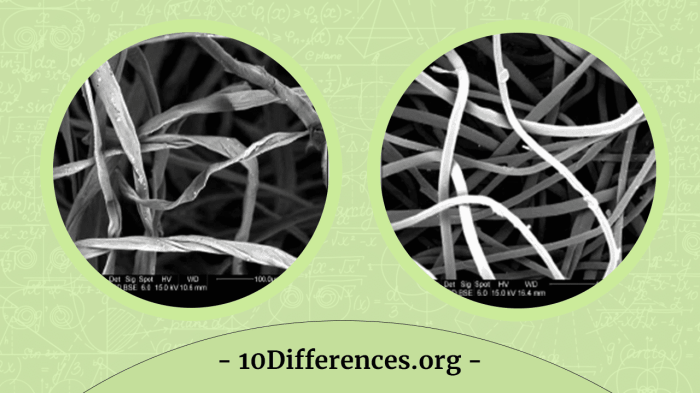
When it comes to textiles, there are two main types of fibers used in the industry: natural fibers and synthetic fibers. Natural fibers are derived from plants or animals, while synthetic fibers are man-made through chemical processes.
Differences between Natural fibers and Synthetic fibers
- Natural fibers come from renewable sources, while synthetic fibers are made from non-renewable resources.
- Examples of natural fibers include cotton, wool, and silk, whereas synthetic fibers include polyester, nylon, and acrylic.
- Natural fibers are biodegradable, whereas synthetic fibers take a longer time to break down in the environment.
Advantages and Disadvantages of Natural fibers over Synthetic fibers
- Natural fibers are breathable and comfortable to wear, while synthetic fibers can sometimes feel less comfortable on the skin.
- Synthetic fibers are often more durable and resistant to wrinkles and shrinkage compared to natural fibers.
- Natural fibers are more environmentally friendly as they are biodegradable and do not release harmful chemicals during production.
- On the other hand, synthetic fibers are usually cheaper to produce and can be engineered to have specific properties for different uses.
Environmental Impact of Natural fibers versus Synthetic fibers
Overall, natural fibers have a lower environmental impact compared to synthetic fibers. Natural fibers require less energy to produce and are biodegradable, reducing the amount of waste in landfills. Synthetic fibers, on the other hand, are made from fossil fuels and release harmful chemicals into the environment during production.
TEXTILES AND NONWOVENS
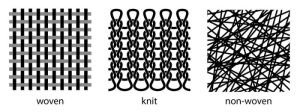
Textiles and nonwovens play a crucial role in the manufacturing industry, providing materials for various applications across different sectors. Textiles refer to materials made from fibers, while nonwovens are fabrics produced by bonding or interlocking fibers together.
Production of Textiles from Natural Fibers
Textiles are produced from natural fibers through a series of steps that involve harvesting, cleaning, spinning, and weaving. Natural fibers such as cotton, wool, silk, and linen are harvested from plants or animals. These fibers are then cleaned to remove impurities and spun into yarn. The yarn is then woven or knitted to create different types of fabrics with varying textures and properties.
Applications of Nonwovens
Nonwovens are versatile materials used in a wide range of industries such as healthcare, automotive, construction, and agriculture. These fabrics are commonly used in medical masks, wipes, geotextiles, and filtration systems. Nonwovens offer benefits such as lightweight, durability, and breathability, making them suitable for diverse applications.
Properties of Textiles from Natural and Synthetic Fibers
- Natural fiber textiles, such as cotton and wool, are known for their breathability, softness, and moisture absorption properties. They are biodegradable and sustainable but may be prone to shrinking or wrinkling.
- Synthetic fiber textiles, like polyester and nylon, are durable, wrinkle-resistant, and quick-drying. They are often less breathable than natural fibers but offer superior strength and resistance to chemicals and sunlight.
Closing Notes
As we wrap up our exploration of natural fibers vs synthetic fibers, it’s clear that both have their unique qualities and applications in the textile industry. Whether you prefer the eco-friendly nature of natural fibers or the versatility of synthetic fibers, understanding the differences can help you make informed choices in your textile endeavors.
FAQs
What are some examples of natural fibers used in textiles?
Common examples include cotton, wool, silk, and linen.
What are the environmental impacts of synthetic fibers compared to natural fibers?
Synthetic fibers are typically derived from petrochemicals and can take hundreds of years to decompose, contributing to environmental pollution. Natural fibers are biodegradable and more sustainable in this aspect.
Which type of fiber is more breathable: natural or synthetic?
Natural fibers like cotton and linen are more breathable compared to synthetic fibers, making them ideal for clothing in warm weather.