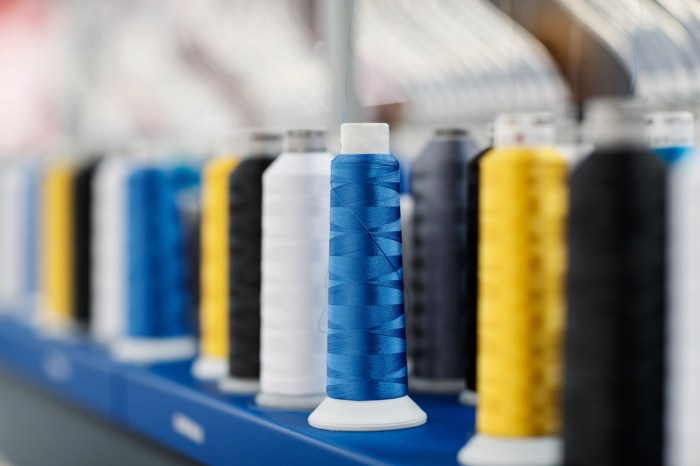
Advanced textile coatings sets the stage for this enthralling narrative, offering readers a glimpse into a story that is rich in detail with entertaining interactive style and brimming with originality from the outset.
From exploring the various types of coatings to discussing the latest innovations and environmental impacts, this topic promises to be a fascinating journey into the world of fabric technology.
Advanced Textile Coatings
Advanced textile coatings refer to specialized treatments applied to fabrics to enhance their performance and functionality. These coatings are designed to improve properties such as water resistance, durability, UV protection, antimicrobial properties, and flame retardancy.
Industries and Applications
- Sportswear: Advanced textile coatings are commonly used in sportswear to provide moisture-wicking properties, breathability, and odor control.
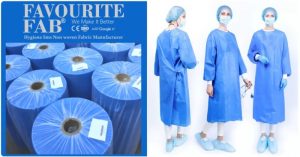
- Medical Textiles: In the medical field, these coatings are used to create antibacterial and antiviral fabrics for hospital gowns, masks, and other medical textiles.
- Outdoor Gear: Outdoor clothing and gear often feature advanced textile coatings for waterproofing, windproofing, and enhanced durability.
- Automotive Industry: Car interiors utilize advanced textile coatings for stain resistance, UV protection, and improved aesthetics.
Benefits of Advanced Textile Coatings
- Enhanced Performance: These coatings improve the functional properties of textiles, making them more suitable for specific applications.
- Increased Durability: Advanced coatings can increase the lifespan of fabrics by protecting them against wear and tear.
- Environmental Sustainability: Some advanced textile coatings are eco-friendly and reduce the environmental impact of textile production.
- Cost-Effectiveness: By enhancing the performance and durability of textiles, advanced coatings can lead to cost savings in the long run.
Types of Advanced Textile Coatings
Advanced textile coatings come in various types, each designed to provide specific functionalities and benefits to the fabric. These coatings enhance the performance of textiles in different ways, making them suitable for a wide range of applications.
Water-Resistant Textile Coatings
Water-resistant textile coatings are designed to repel water and prevent it from penetrating the fabric. These coatings create a barrier on the surface of the textile, allowing water to bead up and roll off. They are commonly used in outdoor apparel, tents, and upholstery to protect against moisture and wet conditions.
UV-Resistant Textile Coatings
UV-resistant textile coatings are formulated to protect fabrics from the harmful effects of ultraviolet (UV) radiation. These coatings help to prevent color fading, degradation of fibers, and damage to the fabric caused by prolonged exposure to the sun. They are ideal for outdoor fabrics, awnings, and marine applications.
Antimicrobial Textile Coatings
Antimicrobial textile coatings contain agents that inhibit the growth of bacteria, mold, and mildew on the fabric surface. These coatings help to maintain hygiene, reduce odors, and prolong the life of the textile by preventing microbial growth. They are commonly used in medical textiles, sportswear, and bedding.
Flame-Retardant Textile Coatings
Flame-retardant textile coatings are designed to reduce the flammability of fabrics and prevent the spread of fire. These coatings provide a layer of protection that delays ignition and slows down the burning process, giving people more time to escape in case of a fire. They are essential for protective clothing, curtains, and upholstery in public spaces.
Application Methods
When it comes to applying advanced textile coatings, there are several methods used in the industry. Proper application techniques are crucial to ensure the effectiveness and durability of the coating. Let’s explore the various methods and challenges associated with applying advanced textile coatings on different types of fabrics.
Roller Coating
Roller coating is a common method used to apply advanced textile coatings onto fabrics. In this method, a roller is used to evenly distribute the coating onto the fabric surface. This technique is efficient and suitable for large-scale production.
Spray Coating
Spray coating involves using a spray gun to apply the coating onto the fabric. This method is ideal for achieving a uniform and thin layer of coating on the fabric. It is commonly used for intricate designs and smaller production batches.
Dip Coating
Dip coating is a method where the fabric is immersed in a bath of coating solution. The fabric is then removed, and excess coating is allowed to drip off before drying. This method is effective for ensuring full coverage of the fabric surface.
Challenges in Application
- Adhesion: Ensuring proper adhesion of the coating to the fabric surface can be challenging, especially with different types of fabrics.
- Compatibility: Some advanced textile coatings may not be compatible with certain types of fabrics, leading to issues with adhesion and durability.
- Drying Time: Proper drying time is crucial for the effectiveness of the coating, and different fabrics may require varying drying times.
- Uniformity: Achieving uniform coverage of the coating on the fabric surface can be challenging, especially with intricate designs or textures.
Innovations in Textile Coating Technology
In the ever-evolving world of textile coatings, innovations play a crucial role in shaping the industry’s future. Let’s delve into some of the latest advancements that have revolutionized textile coating technology.
Nanotechnology in Textile Coatings
Nanotechnology has significantly impacted the development of advanced textile coatings. By manipulating materials at the nanoscale level, manufacturers can enhance the performance of fabrics in terms of durability, water resistance, and even antimicrobial properties. Nanoparticles like titanium dioxide or silver can be incorporated into coatings to provide these beneficial characteristics. This innovation has opened up new possibilities for creating high-performance textiles for various applications.
Smart Textiles and Coatings
The integration of smart textiles with advanced coatings has brought about a new era of functionality and connectivity in fabrics. Smart coatings can enable textiles to respond to external stimuli, such as temperature changes or mechanical stress, by changing their properties. For example, self-healing coatings can repair minor damages automatically, prolonging the lifespan of the fabric. These intelligent textiles have applications in healthcare, sports, and even military sectors, showcasing the potential of combining technology with traditional textiles.
Sustainable Materials in Textile Coatings
As sustainability becomes a growing concern in the textile industry, the use of eco-friendly materials in coatings has gained traction. Innovations in sustainable coatings involve the use of biodegradable polymers, natural extracts, or recycled materials to reduce the environmental impact of textile production. Companies are exploring bio-based alternatives to traditional petroleum-derived chemicals, leading to coatings that are not only functional but also environmentally friendly.
The shift towards sustainable materials in textile coatings reflects a broader trend towards eco-conscious practices in the industry.
Performance and Durability
When it comes to advanced textile coatings, performance and durability are key factors that determine the success of the product. The ability of a coating to withstand wear and tear, maintain flexibility, and last for a long time is crucial in various applications.
Durability and Longevity
- Advanced textile coatings are designed to provide enhanced durability compared to traditional coatings. They are often developed using cutting-edge technologies and materials that offer superior resistance to abrasion, tearing, and fading.
- In real-world scenarios, the durability of advanced textile coatings is put to the test in industries such as outdoor gear, automotive upholstery, and medical textiles. These coatings are subjected to harsh conditions, including extreme temperatures, UV exposure, and frequent use.
- Factors that can impact the durability of textile coatings include the quality of the coating material, the application method used, and the level of stress the coated fabric is exposed to. To enhance longevity, manufacturers often conduct extensive testing to ensure the coating meets performance standards.
Environmental Impact
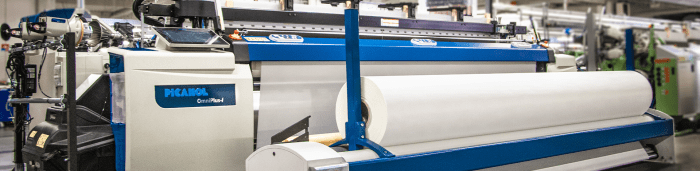
When it comes to advanced textile coatings, it is crucial to consider the environmental impact associated with their production and disposal. The use of certain chemicals and processes in creating these coatings can have harmful effects on the environment if not managed properly.
Sustainable Alternatives for Advanced Textile Coatings
One approach to mitigating the environmental impact of advanced textile coatings is to develop sustainable alternatives. This can involve using eco-friendly raw materials, adopting greener production methods, and implementing recycling programs for waste materials.
Life Cycle Assessment of Textiles with Advanced Coatings
Conducting a life cycle assessment of textiles with advanced coatings is essential to understand their overall environmental impact. This assessment considers factors such as raw material sourcing, manufacturing processes, product use, and end-of-life disposal. By analyzing each stage of the product’s life cycle, manufacturers can identify areas where improvements can be made to reduce environmental impact.
Concluding Remarks
As we wrap up our discussion on advanced textile coatings, it’s clear that the future of fabric innovation is bright. With advancements in technology and a growing focus on sustainability, the possibilities are endless for creating textiles that are not only functional but also environmentally friendly. Stay tuned for more exciting developments in this space!
FAQ
What are some common industries or applications that use advanced textile coatings?
Advanced textile coatings are commonly used in industries such as outdoor gear, medical textiles, automotive interiors, and military equipment.
How do water-resistant textile coatings differ from UV-resistant coatings?
Water-resistant coatings repel water to prevent absorption, while UV-resistant coatings protect against damage from ultraviolet radiation.
Are there any sustainable alternatives for developing advanced textile coatings?
Yes, sustainable alternatives such as bio-based materials, recycled polymers, and eco-friendly application processes are being explored to reduce environmental impact.