Step right up, ladies and gentlemen! Prepare to be amazed as we dive into the fascinating world of nonwoven fabric applications. Get ready for a rollercoaster ride of information that will leave you wanting more!
From the medical sector to agriculture and automotive industry, nonwoven fabrics play a crucial role in various applications that impact our daily lives.
TEXTILES AND NONWOVENS
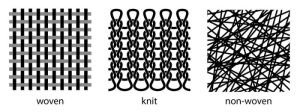
Textiles and nonwovens are both materials used in the production of various products, but they differ in their composition and production processes.Textiles are materials made by weaving, knitting, or felting natural or synthetic fibers together. They are commonly used in clothing, home furnishings, and industrial applications. Nonwovens, on the other hand, are made by bonding fibers together through mechanical, chemical, or thermal processes, without the need for weaving or knitting.
Differences Between Textiles and Nonwovens
- Textiles are made by weaving or knitting fibers together, while nonwovens are made by bonding fibers together through other methods.
- Textiles have a structured pattern, while nonwovens can have a random or uniform arrangement of fibers.
- Textiles are generally stronger and more durable than nonwovens.
Examples of Applications
- Textiles: clothing, bed linens, upholstery fabric, towels
- Nonwovens: medical masks, wipes, filters, geotextiles
Production Processes
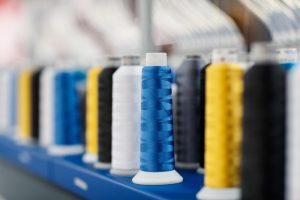
- Textiles: spinning of fibers into yarn, weaving or knitting the yarn into fabric
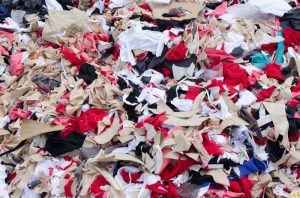
- Nonwovens: fiber preparation, web formation, bonding of fibers
Nonwoven Fabric Applications in Medical Sector
Nonwoven fabrics play a crucial role in various medical applications due to their unique properties and benefits. These fabrics are widely used in the healthcare industry for their versatility, durability, and effectiveness in providing protection and comfort to patients and healthcare professionals alike.
Nonwoven Fabrics in Surgical Masks and Hospital Gowns
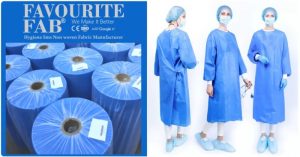
Nonwoven fabrics are extensively utilized in the production of surgical masks and hospital gowns. These fabrics are preferred for their ability to act as a barrier against bacteria, viruses, and other harmful particles, thus reducing the risk of contamination during medical procedures. Surgical masks made from nonwoven fabrics offer high filtration efficiency, ensuring the safety of both the wearer and those around them.
Hospital gowns made from nonwoven materials provide protection against fluids and pathogens, maintaining a sterile environment in healthcare settings.
Advantages of Using Nonwoven Fabrics in Medical Settings
- High Filtration Efficiency: Nonwoven fabrics offer superior filtration capabilities, making them ideal for use in medical masks and protective clothing.
- Comfort and Breathability: These fabrics are lightweight, breathable, and comfortable to wear, ensuring ease of movement for healthcare workers during long shifts.
- Water and Fluid Resistance: Nonwoven fabrics can be treated to repel fluids, providing an additional layer of protection against spills and splashes in medical environments.
- Cost-Effective: Nonwoven fabrics are cost-effective to produce, making them a practical choice for disposable medical supplies that need to be replaced frequently.
- Eco-Friendly: Many nonwoven fabrics are recyclable and biodegradable, reducing the environmental impact of medical waste in healthcare facilities.
Nonwoven Fabric Applications in Agriculture
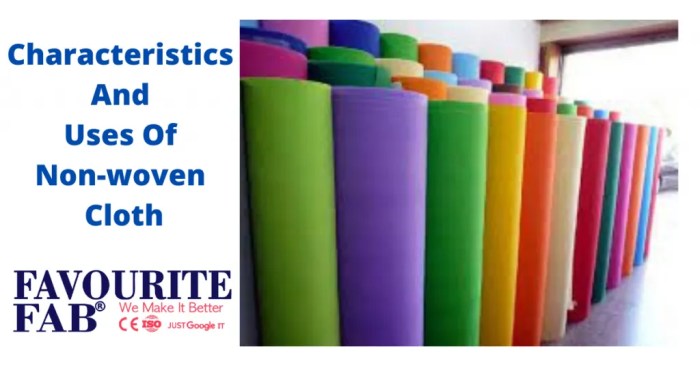
Nonwoven fabrics play a crucial role in modern agriculture, offering a wide range of applications that benefit crop protection and gardening practices. These fabrics are designed to provide protection, support, and enhance the growth of plants, making them an essential component in the agricultural sector.
Benefits of Using Nonwoven Fabrics in Agriculture
- Enhanced Crop Protection: Nonwoven fabrics act as a barrier against pests, insects, and harsh weather conditions, protecting crops from damage and ensuring a higher yield.
- Weed Control: By suppressing weed growth, nonwoven fabrics help in reducing competition for nutrients and water, promoting healthy plant growth.
- Temperature Regulation: These fabrics can help regulate soil temperature, providing insulation during cold weather and preventing overheating in hot climates, creating optimal conditions for plant growth.
- Moisture Retention: Nonwoven fabrics aid in retaining moisture in the soil, reducing the frequency of watering and helping plants withstand drought conditions.
Examples of Agricultural Products with Nonwoven Fabrics
- Row Covers: Nonwoven row covers are used to protect crops from frost, wind, and pests, allowing growers to extend the growing season and improve yields.
- Plant Nursery Pots: Nonwoven fabric pots provide better aeration and drainage for plant roots, promoting healthier growth and reducing the risk of root rot.
- Greenhouse Shading: Nonwoven fabrics are used for shading in greenhouses to control light intensity, temperature, and humidity, creating optimal conditions for plant growth.
- Landscape Fabrics: Nonwoven landscape fabrics help in weed suppression, soil erosion control, and moisture retention in gardens and landscaping projects.
Nonwoven Fabric Applications in Automotive Industry
Nonwoven fabrics play a crucial role in the automotive industry due to their versatility, durability, and performance advantages. These fabrics are used in various components of vehicles, ranging from car interiors to filtration systems, offering numerous benefits.
Nonwoven Fabrics in Car Interiors
Nonwoven fabrics are commonly used in car interiors for upholstery, carpeting, headliners, and door panels. These fabrics provide excellent insulation, sound absorption, and cushioning properties, enhancing the comfort and aesthetics of the vehicle interior. Additionally, nonwoven fabrics offer flexibility in design, allowing for customized patterns and textures to suit different car models.
Nonwoven Fabrics in Filtration Systems
Nonwoven fabrics are also utilized in automotive filtration systems, such as air filters and cabin air filters. These fabrics are preferred for their high filtration efficiency, trapping dust, pollen, and other particles to maintain clean air inside the vehicle. Nonwoven filters are lightweight, compact, and cost-effective, making them an ideal choice for automotive applications.
Durability and Performance Advantages
One of the key advantages of nonwoven fabrics in vehicles is their durability and strength. These fabrics are resistant to wear and tear, ensuring long-lasting performance even in high-traffic areas like car seats and floor mats. Nonwoven fabrics are also easy to clean, stain-resistant, and quick-drying, making them low maintenance and practical for automotive use.
Sustainable Practices in Nonwoven Fabric Applications
Nonwoven fabric production has a significant impact on the environment due to the use of synthetic materials and chemicals. In recent years, there has been a growing focus on implementing sustainable practices in the production of nonwoven fabrics to reduce this environmental impact.
Eco-Friendly Alternatives in Nonwoven Fabric Production
- Using natural fibers such as cotton, hemp, or bamboo in nonwoven fabric production to reduce reliance on synthetic materials.
- Exploring bio-based polymers derived from renewable resources as alternatives to traditional petroleum-based polymers.
- Adopting water-based or solvent-free processes to minimize the use of harmful chemicals in the production of nonwoven fabrics.
Importance of Recyclability and Biodegradability
- Recyclability of nonwoven fabrics ensures that they can be reused or repurposed, reducing the amount of waste generated.
- Biodegradability allows nonwoven fabrics to break down naturally at the end of their lifecycle, reducing environmental pollution.
- Companies are increasingly focusing on designing nonwoven fabrics that are both recyclable and biodegradable to promote a circular economy.
Companies Implementing Sustainable Practices
- Company X has developed a nonwoven fabric made from recycled polyester, reducing the need for virgin materials and decreasing carbon emissions.
- Company Y has introduced a biodegradable nonwoven fabric made from plant-based fibers, offering a sustainable alternative to traditional nonwoven fabrics.
- Company Z has implemented a closed-loop production system for nonwoven fabrics, ensuring that waste materials are recycled and reused in the manufacturing process.
End of Discussion
As we wrap up our journey through the diverse applications of nonwoven fabrics, remember that these versatile materials are here to stay, revolutionizing industries and paving the way for a more sustainable future.
General Inquiries
How are nonwoven fabrics different from traditional textiles?
Nonwoven fabrics are made directly from fibers without the need for yarn weaving, unlike traditional textiles.
What are the advantages of using nonwoven fabrics in medical settings?
Nonwoven fabrics offer superior breathability, liquid resistance, and are cost-effective compared to traditional textiles in medical applications.
How do nonwoven fabrics contribute to sustainable practices?
Nonwoven fabrics can be recycled and are biodegradable, making them environmentally friendly choices in various applications.