Dive into the exciting realm of Textile industry automation where innovation meets fabric, showcasing a world of possibilities in each thread and stitch.
Unravel the intricacies of automation in textile manufacturing and discover how technology is weaving a new chapter in the industry.
Overview of Textile Industry Automation
Automation in the textile industry refers to the use of advanced technologies to streamline and improve various processes involved in textile manufacturing. This includes the use of robotics, artificial intelligence, machine learning, and data analytics to automate tasks that were traditionally performed by humans.
Examples of Automation Technologies
- Robotic Sewing Machines: Robotic arms are used to accurately sew fabrics together, increasing efficiency and precision.
- Automated Cutting Machines: These machines use computerized systems to cut fabrics with speed and accuracy, reducing material waste.
- IoT Sensors: Internet of Things sensors are utilized to monitor and control various aspects of textile production, such as temperature, humidity, and machine performance.
- Automated Quality Control Systems: Machine vision technology is employed to inspect fabrics for defects, ensuring high-quality standards are met.
Benefits of Automation
- Increased Efficiency: Automation reduces production time and labor costs by speeding up processes and minimizing errors.
- Enhanced Quality: By eliminating human errors and inconsistencies, automation helps maintain consistent quality in textile products.
- Cost Savings: Automation leads to reduced material waste, lower energy consumption, and improved overall productivity, resulting in cost savings for textile manufacturers.
- Scalability: Automated systems can be easily scaled to meet the growing demands of the textile industry, allowing for increased production capacity without sacrificing quality.
Automation in Textile Manufacturing Processes
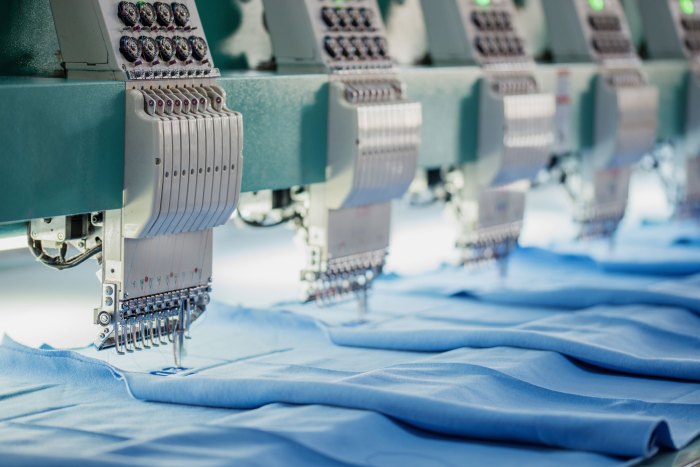
Automation plays a crucial role in revolutionizing the textile industry by enhancing efficiency, precision, and cost-effectiveness throughout various manufacturing stages. Let’s delve into how automation is integrated into different processes, comparing traditional manual methods with automated systems.
Spinning Process
In the spinning process, traditional manual labor involves operating spinning machines manually to produce yarn. However, automation has introduced automated spinning machines like ring spinning frames and open-end spinning machines. These automated machines enhance speed, accuracy, and production capacity significantly, reducing labor costs and minimizing errors.
Weaving Process
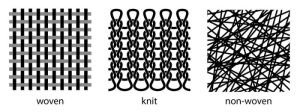
In weaving, traditional methods involve manually setting up looms and weaving patterns. With automation, computerized looms like air-jet looms and rapier looms have revolutionized the process. These machines can weave intricate patterns with precision, speed, and consistency, reducing human intervention and optimizing production efficiency.
Dyeing Process
The dyeing process traditionally requires meticulous monitoring of dye bath concentrations and fabric immersion. Automation has introduced dyeing machines equipped with automated dye dispensers and programmable controls. These machines ensure precise dye application, uniform color consistency, and reduced dye wastage, improving overall quality and cost-effectiveness.
Finishing Process
In the finishing process, traditional manual methods involve manual inspection, cutting, and final touches. Automation has introduced automated finishing machines like stenters and calenders. These machines automate the finishing processes, ensuring uniform fabric quality, precise sizing, and efficient finishing operations, leading to increased productivity and reduced operational costs.Overall, automation in textile manufacturing processes has significantly enhanced speed, accuracy, and cost-effectiveness compared to traditional manual methods.
By leveraging advanced machinery and robotic systems, textile manufacturers can optimize production efficiency, improve product quality, and stay competitive in the ever-evolving textile industry.
Role of Artificial Intelligence in Textile Industry Automation
Artificial Intelligence (AI) has significantly impacted the textile industry by revolutionizing production processes and enhancing efficiency in manufacturing. AI technologies are utilized to optimize production processes, predict maintenance needs, improve product design, and facilitate customization in the textile sector.
Optimizing Production Processes
AI is used in textile manufacturing to analyze vast amounts of data and optimize production processes. Machine learning algorithms can identify patterns, predict equipment failures, and suggest improvements to enhance overall efficiency.
Improving Product Design and Customization
AI algorithms play a crucial role in enhancing product design and customization in the textile industry. By analyzing consumer preferences and market trends, AI can recommend design modifications, colors, and materials to create personalized products that meet the demands of customers.
Examples of AI Applications in Textile Production
Predictive Maintenance
AI algorithms can predict maintenance needs for machinery based on performance data, reducing downtime and enhancing productivity.
Quality Control
AI-powered systems can detect defects in fabrics and garments during the production process, ensuring high-quality standards are met.
Inventory Management
AI tools can optimize inventory levels, forecast demand, and streamline supply chain operations to minimize costs and maximize efficiency.
Sustainability and Automation in Textile Manufacturing
Automation technologies in the textile industry play a crucial role in promoting sustainable practices. By incorporating automation into various processes, textile manufacturers can significantly reduce waste, energy consumption, and environmental impact, leading to a more eco-friendly production system. Let’s delve deeper into how automation contributes to sustainability in textile manufacturing.
Reduction of Waste in Textile Manufacturing
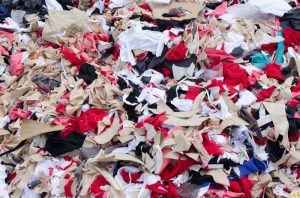
Automation in textile manufacturing processes helps minimize waste by optimizing material usage and reducing errors. Automated cutting machines, for example, can precisely cut fabrics, minimizing leftover scraps and improving material efficiency. This not only reduces waste but also lowers the overall environmental footprint of the manufacturing process.
Energy Efficiency in Textile Production
Automation technologies such as smart sensors and energy-efficient machinery contribute to reducing energy consumption in textile production. By automating processes like dyeing, spinning, and weaving, manufacturers can streamline operations and improve energy efficiency. This not only lowers production costs but also decreases the industry’s energy consumption and greenhouse gas emissions.
Promotion of Sustainable Sourcing and Production
Automation in textile manufacturing enables better monitoring and control of production processes, leading to more sustainable sourcing practices. By automating supply chain management and production planning, manufacturers can optimize their operations, reduce waste, and adhere to sustainable production standards. This promotes ethical sourcing, reduces environmental impact, and ensures the sustainability of textile and nonwoven production.
Conclusive Thoughts
As we wrap up this colorful journey through Textile industry automation, the future of fabrics looks brighter with the fusion of technology and tradition.
FAQ Summary
How is automation improving efficiency in textile production?
Automation streamlines processes, reduces errors, and enhances productivity, leading to higher efficiency in textile manufacturing.
What are some examples of AI applications in the textile industry?
AI is used for predictive maintenance, product design optimization, and customization, revolutionizing how textiles are produced and designed.
How does automation contribute to sustainability in textile manufacturing?
Automation reduces waste, energy consumption, and environmental impact, promoting sustainable practices in the textile industry.