Smart fabrics technology sets the stage for this enthralling narrative, offering readers a glimpse into a story that is rich in detail with entertaining interactive style and brimming with originality from the outset.
From the integration of electronics into textiles to the potential impact on healthcare and wellness, the world of smart fabrics is a fascinating realm that promises innovation and convenience.
Introduction to Smart Fabrics Technology
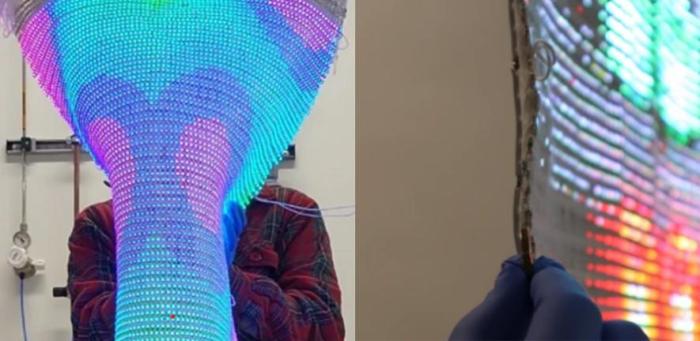
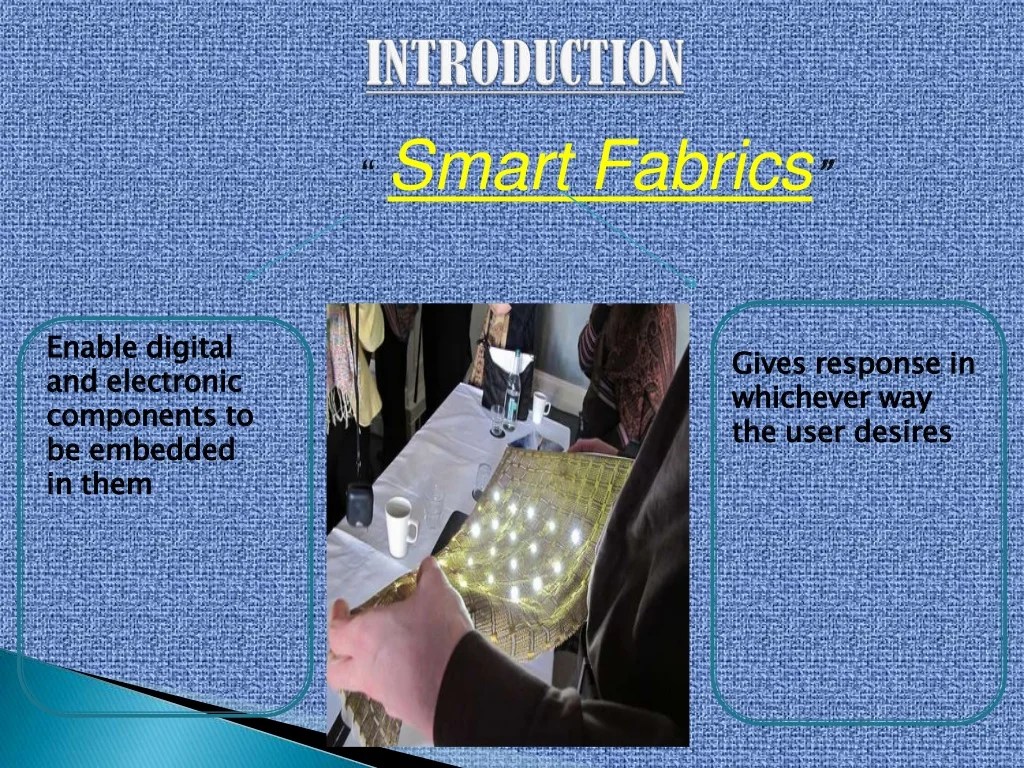
Smart fabrics technology refers to the integration of electronic components into textiles, creating innovative fabrics capable of sensing, reacting, and adapting to various stimuli. These fabrics have opened up a world of possibilities across different industries, offering solutions that combine functionality and style.
Applications of Smart Fabrics in Various Industries
- Sports and Fitness: Smart fabrics are used in athletic wear to monitor performance metrics, such as heart rate and temperature, providing valuable data for athletes and fitness enthusiasts.
- Healthcare: Smart fabrics play a crucial role in monitoring patients’ vital signs, detecting abnormalities, and promoting overall well-being through wearable health devices.
- Fashion: High-end fashion brands have incorporated smart fabrics into their designs, creating interactive clothing that changes color or shape in response to environmental factors.
Examples of Popular Smart Fabrics Products in the Market
- Google and Levi’s collaboration on the “Commuter Trucker Jacket,” featuring touch-sensitive fabric for controlling smartphones.
- Hexoskin Smart Shirt, a biometric garment that tracks fitness data such as heart rate, breathing rate, and activity levels.
- Adidas miCoach Elite Team System, a smart sports kit that collects real-time performance data from soccer players during matches.
Textiles and Nonwovens Overview
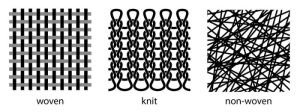
Textiles and nonwovens play a crucial role in various industries, from fashion to industrial applications. Textiles are flexible materials made of interlaced fibers, while nonwovens are manufactured by bonding or interlocking fibers together.
Types of Fibers Used in Textile Production
- Natural fibers: Examples include cotton, wool, and silk, known for their breathability and comfort.
- Synthetic fibers: Polyester, nylon, and acrylic are durable and resistant to wrinkles and shrinking.
- Blended fibers: Combining natural and synthetic fibers to create fabrics with enhanced properties.
Textile Production Processes
Weaving and knitting are the two primary methods used to create textiles. Weaving involves interlacing yarns at right angles, while knitting forms loops of yarn. Dyeing and printing processes add color and patterns to fabrics. Finishing treatments like sizing, bleaching, and softening improve the functionality and appearance of textiles.
Applications of Textiles in Different Industries
- Fashion and apparel: Textiles are used to create clothing, footwear, and accessories, reflecting trends and personal style.
- Home furnishings: Fabrics are essential for upholstery, curtains, bedding, and decorative items, enhancing interior design.
- Technical textiles: Industrial applications include geotextiles, medical textiles, and protective clothing, requiring specialized properties like strength and durability.
Sustainable Practices in Textile Industry
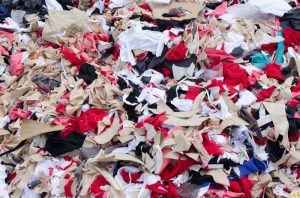
Eco-friendly materials like organic cotton, bamboo, and recycled polyester are increasingly used in sustainable textiles. Recycling initiatives aim to reduce waste and conserve resources. Innovations such as waterless dyeing and biodegradable fibers help minimize the environmental impact of textile production.
Conclusion
As we conclude this exploration of smart fabrics technology, it’s clear that the future of textiles is intricately woven with technological advancements. With applications across various industries and the promise of sustainability, smart fabrics are poised to revolutionize the way we interact with clothing and textiles.
FAQ Explained
What makes smart fabrics different from traditional textiles?
Smart fabrics are embedded with electronic components that can interact with the environment, making them adaptable and responsive unlike traditional fabrics.
How are smart fabrics tested for durability?
Smart fabrics undergo rigorous testing processes that simulate real-world conditions to ensure they can withstand wear and tear without compromising functionality.
What are some emerging technologies in the field of smart fabrics?
Technologies like shape memory alloys and conductive yarns are paving the way for advanced functionalities in smart fabrics, expanding their potential applications.