Dive into the world of biodegradable textiles development, where innovation meets sustainability in the textile industry. Get ready for an exciting ride filled with insights and trends that are shaping the future of fashion.
From exploring eco-friendly materials to discussing the impact of sustainable practices, this topic promises a blend of creativity and environmental consciousness.
Overview of Biodegradable Textiles Development
Biodegradable textiles refer to textiles that are made from natural materials or synthetic materials that can easily decompose in the environment, reducing the burden on landfills and decreasing pollution. These textiles break down into natural elements without causing harm to the environment.The importance of developing biodegradable textiles in the textile industry is significant due to the growing concern over environmental sustainability.
With the rise of fast fashion and the textile industry being one of the largest polluters globally, the shift towards biodegradable textiles can help reduce the environmental impact of textile production and disposal.
Current Trends in Biodegradable Textiles Development
- Use of natural fibers like organic cotton, hemp, and bamboo in textile production to create biodegradable fabrics that are sustainable and eco-friendly.
- Development of biodegradable synthetic fibers such as PLA (polylactic acid) and Tencel, which are derived from renewable resources and can be easily decomposed.
- Integration of innovative technologies like bioengineering and nanotechnology to enhance the biodegradability of textiles and improve their overall environmental impact.
- Increasing consumer awareness and demand for sustainable and biodegradable textiles, prompting textile manufacturers to invest more in research and development in this area.
- Collaboration between fashion brands, textile manufacturers, and environmental organizations to promote the use of biodegradable textiles and drive sustainable practices in the industry.
Biodegradable Textile Materials
Biodegradable textile materials play a crucial role in sustainable textile development, offering an environmentally friendly alternative to traditional textiles. These materials are derived from natural sources and can decompose naturally, reducing the environmental impact of textile production.
Common Biodegradable Materials
- Cotton: Cotton is a widely used biodegradable material in the textile industry, known for its softness and breathability.
- Hemp: Hemp fibers are strong and durable, making them suitable for various textile applications.
- Bamboo: Bamboo fibers are eco-friendly and biodegradable, offering a sustainable alternative to traditional textiles.
- Lyocell: Lyocell is a biodegradable fiber made from wood pulp, known for its softness and moisture-wicking properties.
Properties Comparison
- Biodegradable materials are environmentally friendly and do not contribute to pollution when disposed of.
- Traditional textiles, such as polyester and nylon, are non-biodegradable and can take hundreds of years to decompose.
- Biodegradable materials are often more breathable and comfortable to wear compared to synthetic textiles.
- Biodegradable materials have a lower carbon footprint and require less energy to produce than traditional textiles.
Challenges and Benefits
- Challenges: Biodegradable materials may be more expensive to produce than traditional textiles, leading to higher retail prices.
- Benefits: Using biodegradable materials in textile production helps reduce waste and minimize the environmental impact of the fashion industry.
- Challenges: Biodegradable materials may have limitations in terms of durability and performance compared to synthetic fibers.
- Benefits: Consumers are increasingly demanding sustainable and eco-friendly products, driving the demand for biodegradable textiles in the market.
Sustainable Practices in Textile Manufacturing
In the realm of biodegradable textiles, sustainable practices play a crucial role in minimizing the environmental impact of manufacturing processes. By adopting eco-friendly methods, textile manufacturers can contribute to reducing pollution, conserving resources, and promoting a healthier planet.
Utilization of Renewable Energy Sources
One key sustainable practice in biodegradable textile manufacturing is the utilization of renewable energy sources such as solar or wind power. By shifting away from fossil fuels, textile factories can significantly reduce their carbon footprint and decrease greenhouse gas emissions.
Water Conservation Strategies
Implementing water conservation strategies is another important aspect of sustainable textile manufacturing. Techniques like recycling water, using water-efficient machinery, and treating wastewater can help minimize water consumption and reduce pollution of natural water sources.
Organic Farming for Raw Materials
Choosing organic farming methods for cultivating raw materials like cotton or hemp is a sustainable practice that promotes biodiversity and eliminates the use of harmful pesticides and chemicals. Organic farming helps protect soil quality, wildlife habitats, and the health of farmers.
Eco-Friendly Certifications
Eco-friendly certifications such as Global Organic Textile Standard (GOTS) or OEKO-TEX Standard 100 play a significant role in promoting biodegradable textiles. These certifications ensure that the products meet specific environmental and social criteria, providing consumers with transparency and assurance of sustainable practices.
Innovations in Biodegradable Textiles
Biodegradable textiles have seen significant advancements in recent years, with innovative solutions emerging to address sustainability concerns in the fashion and textile industry. These developments are crucial in reducing the environmental impact of textile production and waste.
Plant-Based Fibers Development
- Companies like Bolt Threads and Modern Meadow are leading the way in developing plant-based fibers for biodegradable textiles. These fibers are derived from sources such as mushrooms, algae, and other sustainable materials.
- Researchers are also exploring the use of agricultural waste, such as pineapple leaves and banana stems, to create biodegradable textiles that are both eco-friendly and durable.
Biodegradable Dyes and Finishes
- Innovations in biodegradable dyes and finishes are revolutionizing the way textiles are colored and treated. Companies like Colorifix and Natural Fiber Welding are developing sustainable alternatives to traditional chemical-based processes.
- These biodegradable dyes and finishes not only reduce the environmental footprint of textile production but also offer unique color palettes and textures for designers to work with.
Smart Textiles with Biodegradable Components
- Advancements in technology have enabled the integration of biodegradable components into smart textiles. Companies like Pangaia and Petit Pli are incorporating biodegradable materials into their innovative designs, merging sustainability with functionality.
- These smart textiles not only offer enhanced performance and comfort but also contribute to the circular economy by decomposing naturally at the end of their lifecycle.
Textiles and Nonwovens
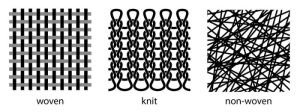
In the realm of fabrics and materials, understanding the difference between textiles and nonwovens is crucial. Textiles are typically made by interlacing yarns or threads through weaving, knitting, or other methods, resulting in a fabric with a structured pattern. Nonwovens, on the other hand, are produced by bonding fibers together through mechanical, chemical, or thermal processes, without the need for weaving or knitting.
Biodegradable Textiles in the Nonwovens Category
Nonwoven fabrics have gained popularity due to their versatility, cost-effectiveness, and ease of production. Biodegradable textiles fit seamlessly into the nonwovens category as they can be manufactured using eco-friendly fibers like bamboo, hemp, or organic cotton. These sustainable materials can be processed into nonwoven fabrics through techniques such as needle punching, spunbonding, or meltblowing.
- Biodegradable nonwovens offer a greener alternative to traditional synthetic materials, reducing the environmental impact of various industries.
- These eco-friendly fabrics are biodegradable, compostable, and do not contribute to microplastic pollution in the environment.
- Biodegradable nonwovens find applications in sectors like healthcare, hygiene products, agriculture, and packaging, where sustainability and biodegradability are essential.
Epilogue
As we conclude our journey through biodegradable textiles development, remember that the future of fashion lies in sustainable innovation. With continuous advancements and a focus on eco-friendly solutions, the possibilities are endless for a greener, more stylish tomorrow.
Expert Answers
What are the benefits of using biodegradable materials in textile production?
Biodegradable materials reduce environmental impact, promote sustainability, and offer a greener alternative to traditional textiles.
How do eco-friendly certifications play a role in promoting biodegradable textiles?
Eco-friendly certifications help consumers identify and support products that meet high environmental standards, encouraging the adoption of biodegradable textiles.
What are some potential applications of biodegradable textiles beyond fashion?
Biodegradable textiles can be used in various industries such as healthcare, automotive, and home goods, offering sustainable solutions across different sectors.