Step into the world of Eco-friendly textile manufacturing where sustainability meets style, and discover the innovative practices shaping the future of the textile industry.
From materials to manufacturing processes, get ready to explore how this eco-conscious approach is revolutionizing the way we think about textiles.
Introduction to Eco-friendly Textile Manufacturing
Eco-friendly textile manufacturing refers to the production of textiles using sustainable practices that minimize the negative impact on the environment. This approach focuses on reducing waste, conserving resources, and promoting the well-being of workers in the textile industry.The importance of sustainable practices in the textile industry cannot be overstated. Traditional textile manufacturing processes often involve harmful chemicals, excessive water usage, and high energy consumption, leading to pollution and depletion of natural resources.
By adopting eco-friendly practices, such as using organic materials, implementing water recycling systems, and reducing greenhouse gas emissions, textile manufacturers can significantly reduce their environmental footprint.Eco-friendly textile manufacturing plays a crucial role in environmental conservation by reducing pollution, conserving water, and promoting biodiversity. By choosing sustainable materials, implementing efficient production processes, and investing in renewable energy sources, textile manufacturers can help protect ecosystems and combat climate change.
Benefits of Eco-friendly Textile Manufacturing
- Reduces carbon footprint through use of renewable energy sources.
- Minimizes water usage and pollution through water recycling systems.
- Promotes biodiversity by using organic and natural materials.
- Improves working conditions for textile industry workers.
Sustainable Materials in Textile Production
When it comes to eco-friendly textile manufacturing, the materials used play a crucial role in reducing the environmental impact of the industry. Sustainable materials are becoming increasingly popular for their positive effects on the planet.
Eco-friendly Materials in Textile Manufacturing
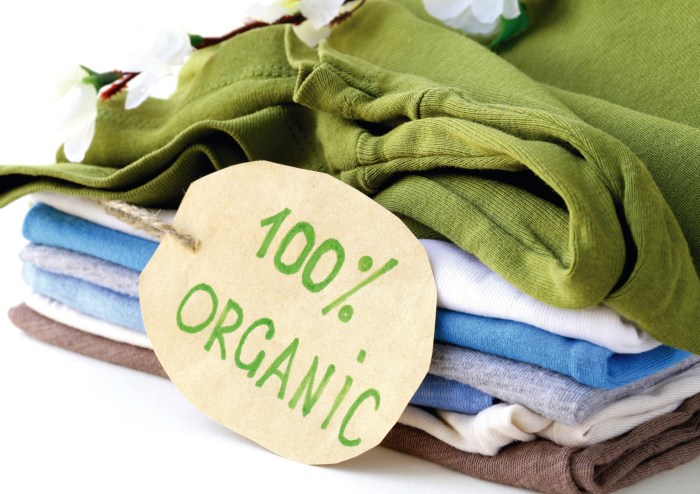
- Organic Cotton: Grown without the use of harmful chemicals, pesticides, or synthetic fertilizers, organic cotton helps preserve soil fertility and reduce water pollution.
- Bamboo: Bamboo is a fast-growing plant that requires minimal water and no pesticides to thrive. It is biodegradable and has natural antibacterial properties.
- Recycled Polyester: Made from recycled plastic bottles, recycled polyester helps reduce the amount of waste in landfills and lowers energy consumption compared to producing virgin polyester.
Benefits of Using Sustainable Materials
- Reduced Environmental Impact: Sustainable materials require fewer resources to produce, emit less greenhouse gases, and minimize pollution compared to traditional textiles.
- Healthier for Workers: Organic cotton and other sustainable materials are grown without harmful chemicals, creating safer working conditions for farmers and textile workers.
- Consumer Demand: With increasing awareness of sustainability issues, consumers are more inclined to choose products made from eco-friendly materials, driving market demand.
Environmental Impact Comparison
When comparing traditional versus eco-friendly textile materials, the difference in environmental impact is significant. Traditional textiles often involve the use of pesticides, synthetic dyes, and large amounts of water, contributing to pollution and soil degradation. On the other hand, eco-friendly materials like organic cotton and bamboo require fewer chemicals, less water, and have lower carbon footprints, making them more sustainable choices for textile production.
Energy-Efficient Manufacturing Processes
Energy-efficient practices play a crucial role in eco-friendly textile manufacturing by reducing the industry’s carbon footprint and overall environmental impact. By utilizing renewable energy sources and implementing efficient processes, textile manufacturers can significantly decrease their energy consumption and greenhouse gas emissions.
Examples of Renewable Energy Sources
- Solar Power: Textile factories can install solar panels to harness the power of the sun and generate electricity for their operations. This renewable energy source reduces reliance on fossil fuels and helps lower carbon emissions.
- Wind Power: Wind turbines can be used to generate clean energy for textile production. By harnessing the power of wind, manufacturers can reduce their dependence on non-renewable energy sources and contribute to a more sustainable industry.
- Biomass Energy: Textile manufacturers can utilize organic materials such as agricultural waste, wood chips, or plant residues to produce bioenergy. This alternative energy source reduces the use of fossil fuels and helps minimize environmental impact.
How Energy-Efficient Processes Reduce Carbon Footprint
Energy-efficient manufacturing processes involve the optimization of energy use through technologies like energy-efficient machinery, lighting, and heating systems. By improving energy efficiency, textile manufacturers can reduce their energy consumption, resulting in lower greenhouse gas emissions and a decreased carbon footprint. Additionally, implementing energy-saving practices can lead to cost savings for companies in the long run, making it a win-win situation for both the environment and the business.
Water Conservation in Textile Manufacturing
Water conservation in textile manufacturing is crucial due to the significant amount of water utilized in the production processes. By implementing innovative methods to reduce water usage, the industry can minimize its environmental impact and promote sustainability.
Innovative Methods for Reducing Water Usage
- Implementing closed-loop water recycling systems to reuse water in various stages of production.
- Utilizing water-saving technologies such as low-water dyeing techniques and equipment.
- Optimizing production processes to minimize water waste and improve overall efficiency.
Impact of Water Pollution and Benefits of Eco-Friendly Practices
Water pollution from traditional textile manufacturing can have detrimental effects on ecosystems and human health. By adopting eco-friendly practices, such as reducing water usage and implementing water treatment systems, the industry can mitigate pollution and protect water resources for future generations.
Waste Management and Recycling in Textile Industry
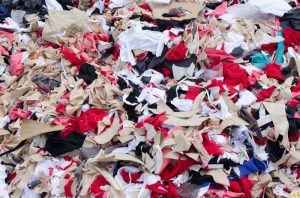
Effective waste management is crucial in textile manufacturing to reduce the environmental impact of the industry. Recycling textile waste plays a significant role in promoting sustainability by minimizing the use of virgin materials and diverting waste from landfills. By implementing innovative recycling initiatives, the textile industry can contribute to a more circular economy and reduce its carbon footprint.
Strategies for Effective Waste Management
- Implementing a waste audit to identify key areas of waste generation and opportunities for reduction.
- Adopting lean manufacturing principles to minimize waste generation throughout the production process.
- Investing in technology and equipment for waste segregation and recycling.
- Collaborating with suppliers to optimize packaging and reduce waste in the supply chain.
Importance of Recycling Textile Waste
- Reduces the demand for virgin materials, conserving natural resources and reducing energy consumption.
- Diverts waste from landfills, minimizing environmental pollution and greenhouse gas emissions.
- Promotes a circular economy by reintroducing recycled materials back into the production cycle.
- Encourages innovation and creativity in developing sustainable textile solutions.
Examples of Upcycling and Recycling Initiatives
- Upcycling post-consumer textile waste into new garments or accessories, reducing the need for new raw materials.
- Recycling textile scraps and offcuts to create new yarns or fabrics for use in future production.
- Partnering with recycling facilities to collect and process textile waste from manufacturing plants.
- Collaborating with designers and artists to create unique products from recycled textiles, promoting sustainability and creativity.
Textiles and Nonwovens
Textiles and nonwovens are both materials used in various industries, but they have distinct differences in terms of manufacturing processes and applications.
Textiles
Textiles are flexible materials composed of natural or synthetic fibers. The manufacturing process involves spinning raw fibers into yarn, which is then woven, knitted, or dyed to create the final fabric. Textiles are commonly used in the fashion industry for clothing, as well as in home furnishings and technical textiles.
- Spinning: Raw fibers are twisted together to form yarn.
- Weaving or Knitting: Yarn is woven on a loom or knitted into fabric.
- Dyeing: Fabric is colored using various dyeing techniques.
Nonwovens
Nonwovens, on the other hand, are made from fibers that are bonded together through mechanical, chemical, or thermal processes, rather than being woven or knitted. This results in a fabric-like material that is used in a wide range of applications, from hygiene products to geotextiles.
- Bonding: Fibers are bonded together using methods such as needle punching or thermal bonding.
- Lamination: Layers of nonwoven fabric may be laminated together for added strength or functionality.
- Finishing: Nonwovens may undergo finishing processes to enhance properties like water resistance or breathability.
Applications
Textiles are commonly used in clothing, home textiles, and technical applications like medical textiles and protective clothing. Nonwovens are found in products like disposable wipes, surgical masks, filters, and automotive interiors. Both textiles and nonwovens play crucial roles in various industries, offering versatile solutions for different needs.
Final Thoughts
As we wrap up our journey through Eco-friendly textile manufacturing, it’s clear that small changes in the industry can lead to significant environmental impact. Embracing sustainable practices is not just a trend, but a necessity for a cleaner, greener tomorrow.
FAQ Insights
What are some common eco-friendly materials used in textile manufacturing?
Eco-friendly materials like organic cotton, bamboo, and hemp are commonly used in textile production for their sustainable properties.
How do energy-efficient practices benefit eco-friendly textile manufacturing?
Energy-efficient practices help reduce carbon footprint and lower operational costs, making the manufacturing process more environmentally friendly.
Why is water conservation important in textile manufacturing?
Water conservation is crucial in reducing the industry’s water footprint and minimizing pollution, promoting a more sustainable production process.