Step into the world of Sustainable textile innovations, where creativity meets sustainability in the fashion industry. From eco-friendly dyeing techniques to recycled textiles, this topic explores the cutting-edge practices shaping the future of fashion.
Get ready to dive deep into the realm of sustainable fashion and discover how innovative textile solutions are paving the way for a greener and more ethical industry.
Sustainable Textile Innovations
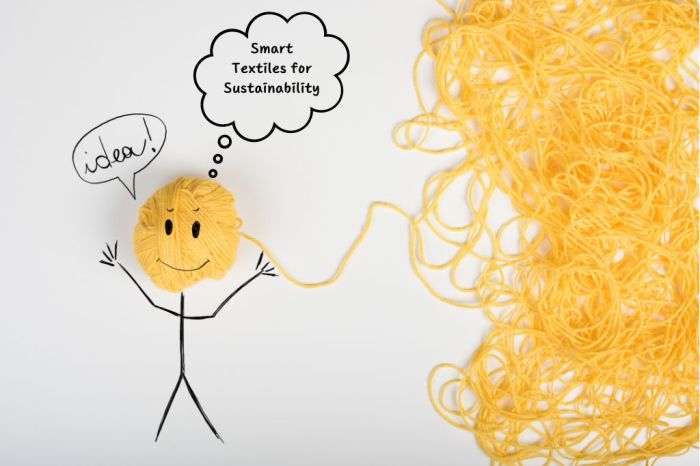
Sustainable textile innovations refer to the development and implementation of environmentally friendly practices and materials within the textile industry to reduce the negative impact on the planet.Key benefits of incorporating sustainable practices in the textile industry include:
- Reduction of water consumption and pollution
- Decrease in greenhouse gas emissions
- Conservation of natural resources
- Improvement of worker safety and well-being
- Meeting the increasing consumer demand for eco-friendly products
The importance of sustainable textile innovations for environmental conservation cannot be overstated. By adopting sustainable practices, the textile industry can significantly reduce its carbon footprint, minimize waste generation, and protect ecosystems from harmful chemicals and pollutants.Examples of innovative sustainable textile materials currently in use include:
Organic cotton
Grown without the use of synthetic pesticides or fertilizers
Recycled polyester
Made from post-consumer plastic bottles, reducing the need for virgin polyester production
Tencel (lyocell)
Produced from sustainably sourced wood pulp using a closed-loop manufacturing process
Sustainable Dyeing Techniques
In the realm of sustainable textile production, dyeing processes play a crucial role in determining the environmental impact of the final product. Traditional dyeing methods often involve the use of harmful chemicals and large amounts of water, leading to pollution and resource depletion. Eco-friendly dyeing techniques have emerged as a solution to mitigate these negative effects and promote a more sustainable approach to textile manufacturing.
Eco-friendly Dyeing Methods
- Plant-based Dyes: Natural dyes extracted from plants, flowers, or fruits offer a sustainable alternative to synthetic dyes. These dyes are biodegradable and non-toxic, reducing the environmental footprint of the dyeing process.
- Low-impact Dyes: Low-impact dyes are synthetic dyes designed to minimize the environmental impact of dyeing. They require less water and energy, and they produce less waste compared to traditional dyes.
- Waterless Dyeing: Innovative technologies like digital printing and air dyeing eliminate the need for large amounts of water in the dyeing process, significantly reducing water consumption and pollution.
Impact of Dyeing on Water Pollution
Dyeing processes are notorious for their contribution to water pollution, as untreated dye effluents are often released into water bodies, contaminating ecosystems and harming aquatic life. Sustainable dyeing techniques aim to address this issue by using less water, minimizing chemical usage, and implementing efficient wastewater treatment systems.
Examples of Innovative Dyeing Techniques
- Recycled Water Dyeing: Some textile manufacturers are implementing closed-loop systems that recycle and reuse water in the dyeing process, reducing freshwater consumption and minimizing pollution.
- Bacterial Pigments: Biofabrication techniques using bacteria to produce pigments offer a sustainable and biodegradable alternative to traditional dyes, eliminating the need for harmful chemicals.
- UV Light Dyeing: UV light technology allows for dyeing fabrics without the use of water or chemicals, offering a clean and efficient way to color textiles while reducing environmental impact.
Recycled and Upcycled Textiles
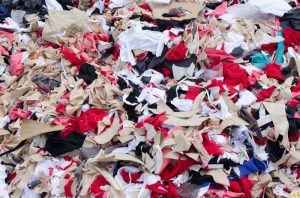
Recycled and upcycled textiles are becoming increasingly popular in the fashion industry due to their sustainability and eco-friendly benefits. While both terms involve reusing materials, there are key differences between the two processes.Recycled textiles refer to materials that are broken down into their original form and then reconstructed into new textiles. This involves breaking down items like plastic bottles or old clothing into fibers that can be spun into new yarns or fabrics.
The process of creating recycled textiles helps reduce waste in landfills and lessens the need for new raw materials.On the other hand, upcycled textiles involve repurposing existing materials without breaking them down entirely. This can include using old garments or fabrics in their original form to create new pieces. Upcycling gives new life to items that would have otherwise been discarded, reducing the environmental impact of textile production.
Creating Textiles from Recycled Materials
- Recycled textiles can be made from a variety of materials, including plastic bottles, cotton scraps, and polyester fabrics.
- The recycling process typically involves sorting, cleaning, shredding, and spinning the materials into new yarns or fabrics.
- Advanced technologies like chemical recycling are also being developed to break down textiles into their chemical components for creating new materials.
Benefits of Using Recycled and Upcycled Textiles
- Reduces waste in landfills and minimizes the environmental impact of textile production.
- Conserves natural resources by decreasing the need for new raw materials.
- Promotes a circular economy by extending the life cycle of materials and reducing consumption.
Innovative Use of Recycled Textiles in Fashion
- Designers are incorporating recycled textiles into their collections by creating garments, accessories, and even footwear using recycled materials.
- Some brands are partnering with recycling facilities to source materials for their collections, promoting sustainability in the fashion industry.
- Upcycling techniques like patchwork, appliqué, and fabric collage are being used to create unique and eco-friendly designs.
Sustainable Textile Finishing
In the realm of textile manufacturing, sustainable finishing processes play a crucial role in reducing the environmental impact of the industry. By implementing eco-friendly finishes, we can enhance the sustainability of textiles and minimize the use of harmful chemicals commonly found in traditional finishing methods.
Importance of Sustainable Finishing Processes
Traditional finishing processes often involve the use of harmful chemicals such as formaldehyde, heavy metals, and chlorine, which can have detrimental effects on both the environment and human health. Sustainable finishing processes focus on utilizing eco-friendly alternatives that are less harmful and more biodegradable.
Eco-Friendly Finishes
- Biodegradable enzymes: Enzymatic finishes use natural enzymes to achieve desired effects like softness or wrinkle resistance without the need for harsh chemicals.
- Plant-based dyes: Natural dyes derived from plants like indigo, turmeric, or madder root offer a sustainable alternative to synthetic dyes.
- Waterless finishes: Technologies like plasma and UV-curing allow for finishes to be applied without the need for excessive water consumption.
Challenges and Opportunities
One of the main challenges in implementing sustainable finishing practices is the resistance from manufacturers accustomed to traditional methods. However, as consumer demand for eco-friendly products grows, there is a significant opportunity for the industry to transition towards more sustainable practices. Collaboration between researchers, manufacturers, and consumers is key to driving innovation in this area.
Textiles and Nonwovens
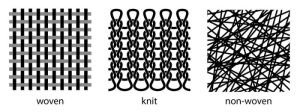
Nonwoven textiles are fabrics made directly from fibers that are bonded together through various mechanical, chemical, or thermal processes, without the need for weaving or knitting. These textiles find applications in a wide range of industries, including healthcare, automotive, construction, and filtration.
Nonwoven Textiles vs. Traditional Woven Fabrics
Nonwoven textiles offer several sustainability advantages compared to traditional woven fabrics. They typically require fewer resources during production, such as water, energy, and chemicals, making them more environmentally friendly. Additionally, nonwovens can be designed to be biodegradable, reducing their impact on landfills.
Environmental Impact of Nonwoven Textiles Production
The production of nonwoven textiles can have environmental impacts, primarily due to the energy consumption and emissions associated with the manufacturing processes. However, advancements in technology have led to the development of more sustainable production methods, such as using recycled fibers and optimizing energy usage.
Innovative Sustainable Practices in the Nonwovens Industry
Companies in the nonwovens industry are increasingly adopting innovative sustainable practices to reduce their environmental footprint. This includes incorporating recycled materials into their products, implementing closed-loop systems to minimize waste, and investing in renewable energy sources for production.
Wrap-Up
As we wrap up our journey through Sustainable textile innovations, it’s clear that the future of fashion lies in sustainable practices. From recycled materials to eco-friendly dyeing methods, the possibilities for a more eco-conscious industry are endless. Stay tuned for more exciting advancements in the world of sustainable fashion!
FAQs
What are some benefits of sustainable textile innovations?
Some benefits include reduced environmental impact, ethical production practices, and fostering a more eco-conscious fashion industry.
How do recycled and upcycled textiles differ?
Recycled textiles are made from post-consumer waste, while upcycled textiles involve creatively reusing materials to give them a new life.
Why is sustainable dyeing important?
Sustainable dyeing helps minimize water pollution, reduces the use of harmful chemicals, and promotes eco-friendly practices in textile production.