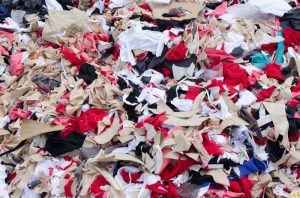
Step into the world of textile recycling trends where innovation meets sustainability in a seamless blend of global initiatives and circular economy strategies. Get ready for a journey filled with insights and surprises as we uncover the latest trends shaping the textile recycling industry.
From cutting-edge technologies to environmental impacts, this topic delves into the heart of textile recycling, showcasing the key factors driving its growth and the positive changes it brings to our planet.
Textile Recycling Trends
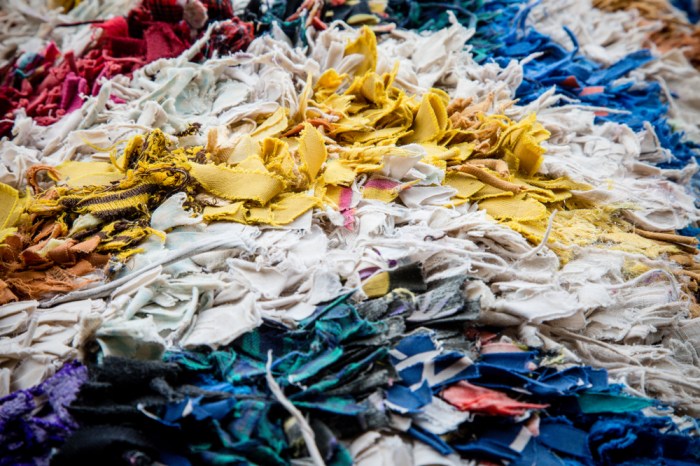
The textile recycling industry is experiencing significant growth globally due to the increasing awareness of environmental sustainability and the need to reduce textile waste. Let’s delve into the key trends shaping the textile recycling landscape.
Key Factors Driving Growth
- Rising environmental concerns: Consumers and businesses are becoming more conscious of the environmental impact of textile production and disposal, driving the demand for recycling solutions.
- Government regulations: Stringent regulations on waste management and recycling targets are pushing industries to adopt sustainable practices, including textile recycling.
- Circular economy initiatives: The shift towards a circular economy model, where resources are reused and recycled, is driving the adoption of textile recycling technologies.
Innovative Technologies in Textile Recycling
- Chemical recycling: Advanced chemical processes are being used to break down textile fibers into raw materials that can be used to produce new textiles, reducing the need for virgin resources.
- Mechanical recycling: Technologies such as shredding and pulping are used to separate and process textile waste into reusable fibers for manufacturing new products.
- Upcycling: Creative techniques are employed to transform textile waste into high-quality products, prolonging the lifespan of materials and reducing overall waste generation.
Environmental Impact
Textile recycling plays a crucial role in reducing the environmental impact of the fashion industry. By diverting textiles from landfills and incinerators, recycling helps in conserving resources and reducing pollution.
Benefits of Textile Recycling
- Reduction in Landfill Waste: Textile recycling helps in decreasing the amount of textile waste that ends up in landfills, reducing the space needed for waste disposal.
- Energy Conservation: Recycling textiles requires less energy compared to producing new textiles from raw materials, leading to a decrease in greenhouse gas emissions.
- Resource Preservation: By recycling textiles, valuable resources such as water, land, and energy used in the production of new textiles are conserved.
Carbon Footprint Comparison
Textile recycling has a significantly lower carbon footprint compared to producing new textiles. According to studies, recycling textiles can reduce carbon emissions by up to 50% compared to manufacturing new textiles from raw materials.
Reduction in Water Consumption
Textile recycling processes consume significantly less water compared to the production of new textiles. By reusing and repurposing textiles, the amount of water required for growing crops, dyeing fabrics, and other manufacturing processes is greatly reduced.
Circular Economy Approach
Textile recycling plays a crucial role in the concept of a circular economy, where resources are kept in use for as long as possible through recycling, reusing, and reducing waste. By recycling textiles, we can minimize the environmental impact of the fashion industry and reduce the amount of textile waste ending up in landfills.
Companies Implementing Circular Economy Practices
- Patagonia: This outdoor clothing company offers a Worn Wear program where customers can trade in their used Patagonia clothing for store credit. The collected items are then repaired and resold, promoting a circular economy model.
- H&M: H&M has a garment collection program that allows customers to drop off unwanted clothing at their stores for recycling. The company then transforms these textiles into new garments, contributing to a more sustainable fashion industry.
- Eileen Fisher: Eileen Fisher has a take-back program where customers can return their old Eileen Fisher garments for recycling. The company then either resells the items as second-hand clothing or upcycles them into new designs, extending the lifecycle of the textiles.
Role of Consumers in Promoting Circular Economy
- By choosing to recycle their textiles through designated programs or thrift stores, consumers can actively contribute to a circular economy by keeping clothing in use for longer periods.
- Supporting brands that prioritize sustainability and circular economy practices can also encourage more companies to adopt similar initiatives, creating a ripple effect in the fashion industry.
- Educating oneself about the environmental impact of fast fashion and the benefits of textile recycling can empower consumers to make more informed choices and actively participate in promoting a circular economy.
Textiles and Nonwovens
Textiles and nonwovens play a crucial role in the fashion and textile industry, but they differ in terms of recyclability. While textiles are woven or knitted fabrics, nonwovens are created through bonding fibers together rather than weaving or knitting. This fundamental difference affects how they can be recycled and repurposed.
Differences in Recyclability
Textiles, being woven or knitted fabrics, have a higher potential for recyclability compared to nonwovens. The structure of textiles allows them to be easily sorted, shredded, and processed into new yarns or fabrics. On the other hand, nonwovens, which are bonded fibers, present challenges in the recycling process due to the difficulty in separating and recovering the fibers.
Challenges and Opportunities in Recycling Nonwoven Fabrics
- Challenges:
- Difficulty in separating bonded fibers for recycling.
- Lack of efficient recycling technologies for nonwovens.
- Contamination of nonwovens with other materials affecting recyclability.
- Opportunities:
- Exploring innovative separation techniques for nonwovens.
- Developing specialized recycling processes for nonwoven materials.
- Promoting the use of recycled nonwovens in new products to create a closed-loop system.
Innovative Methods for Recycling Nonwoven Materials Sustainably
Companies and research institutions are constantly exploring new methods to recycle nonwoven materials sustainably. Some examples include:
- Chemical recycling processes to break down nonwoven fabrics into raw materials for new production.
- Using mechanical methods such as shredding and melting to convert nonwovens into reusable fibers or materials.
- Investing in advanced sorting technologies to improve the efficiency of nonwoven recycling processes.
Final Conclusion
As we conclude our exploration of textile recycling trends, we reflect on the importance of embracing sustainable practices and the role each of us plays in creating a better future. Join the movement towards a greener world through textile recycling and be part of the change we wish to see.
Commonly Asked Questions
What are some current global trends in textile recycling?
Current trends include increased use of advanced technologies for recycling and a growing awareness among consumers about the importance of sustainable fashion.
How does textile recycling contribute to reducing water consumption?
Textile recycling reduces the need for new fabric production, which in turn saves water by minimizing the resources required in the manufacturing process.
What is the circular economy approach in textile recycling?
The circular economy approach focuses on creating a closed-loop system where textiles are recycled and reused to minimize waste and environmental impact.