Nonwoven fabrics in construction sets the stage for this enthralling narrative, offering readers a glimpse into a story that is rich in detail with entertaining interactive style and brimming with originality from the outset.
From revolutionizing traditional construction materials to their vital role in sustainable practices, nonwoven fabrics bring innovation and durability to the forefront of the industry.
Nonwoven Fabrics in Construction
Nonwoven fabrics play a crucial role in the construction industry due to their versatility, durability, and cost-effectiveness. These fabrics are made by bonding or interlocking fibers together through mechanical, thermal, or chemical processes, without weaving or knitting.
Advantages of Nonwoven Fabrics in Construction
- High tensile strength and tear resistance, making them ideal for reinforcing structures.
- Excellent moisture resistance, preventing water damage and mold growth.
- Lightweight and easy to handle, reducing labor costs during installation.
- Customizable properties such as filtration, insulation, and sound absorption.
Applications of Nonwoven Fabrics in Construction
- Geotextiles: Used for soil stabilization, drainage, and erosion control in road construction and landscaping projects.
- Housewrap: Acts as a weather-resistant barrier to protect buildings from moisture and air infiltration.
- Roofing Underlayment: Provides an additional layer of protection under shingles or tiles to enhance waterproofing.
- Insulation: Used in walls, floors, and roofs to improve energy efficiency and thermal comfort.
Contribution to Sustainable Construction Practices
- Nonwoven fabrics can be made from recycled materials, reducing the environmental impact of construction projects.
- They improve the longevity of structures, reducing the need for frequent repairs or replacements.
- Nonwoven fabrics enhance energy efficiency by providing insulation and reducing heat loss or gain.
Textiles and Nonwovens
Textiles and nonwovens are both materials used in construction, but they differ significantly in their manufacturing processes and properties.
Manufacturing Processes
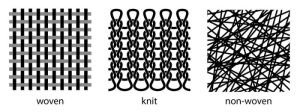
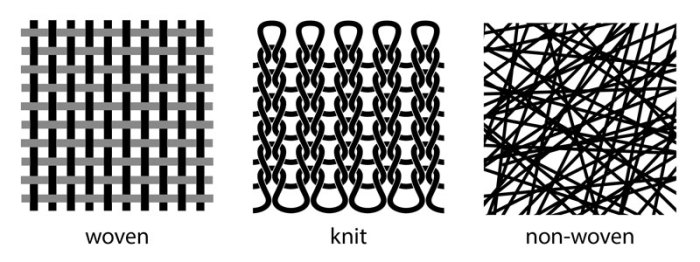
Textiles are typically made by weaving or knitting together yarns to form a fabric. This process involves interlacing the yarns at right angles to create a stable structure. In contrast, nonwoven fabrics are made by bonding or felting fibers together without weaving or knitting. This results in a fabric that is more porous and may have different properties compared to traditional textiles.
Examples in Construction
Common textiles used in construction include canvas, denim, and polyester. These textiles are often used for applications such as upholstery, curtains, or carpeting. On the other hand, nonwoven fabrics like geotextiles, filter fabrics, and insulation materials are commonly used in construction for applications such as drainage, erosion control, and reinforcement.
Properties of Nonwoven Fabrics
Nonwoven fabrics have several properties that make them suitable for construction applications. They are often lightweight, flexible, and have high tensile strength. Additionally, nonwovens can be engineered to have specific properties such as water resistance, UV resistance, or flame retardancy, making them versatile for various construction needs.
Durability and Longevity
Nonwoven fabrics are known for their durability and longevity in construction projects. Due to their strength and resistance to wear and tear, nonwovens can withstand harsh environmental conditions and heavy loads. This makes them ideal for long-term use in infrastructure projects like road construction, landscaping, and building insulation.
Conclusion

As we wrap up our exploration of nonwoven fabrics in construction, it’s evident that these versatile materials are here to stay, shaping the future of building projects with their strength, eco-friendliness, and efficiency.
FAQ Explained
How do nonwoven fabrics contribute to sustainable construction practices?
Nonwoven fabrics offer eco-friendly solutions by reducing waste, increasing energy efficiency, and promoting recyclability in construction projects.
What are some specific applications of nonwoven fabrics in construction projects?
Nonwoven fabrics are commonly used in geotextiles for soil stabilization, drainage systems, and as reinforcement in asphalt pavement construction.
What sets nonwoven fabrics apart from traditional materials in construction?
Nonwoven fabrics provide superior strength, flexibility, and resistance to environmental factors compared to traditional textiles, making them ideal for diverse construction applications.