Step into the world of Wearable technology fabrics where innovation meets style, and functionality blends seamlessly with fashion. From smart textiles to performance-enhancing fabrics, this topic explores the dynamic landscape of wearable tech in the fashion industry.
Get ready to unravel the mysteries behind the fabrics that are revolutionizing the way we wear technology!
Wearable Technology Fabrics
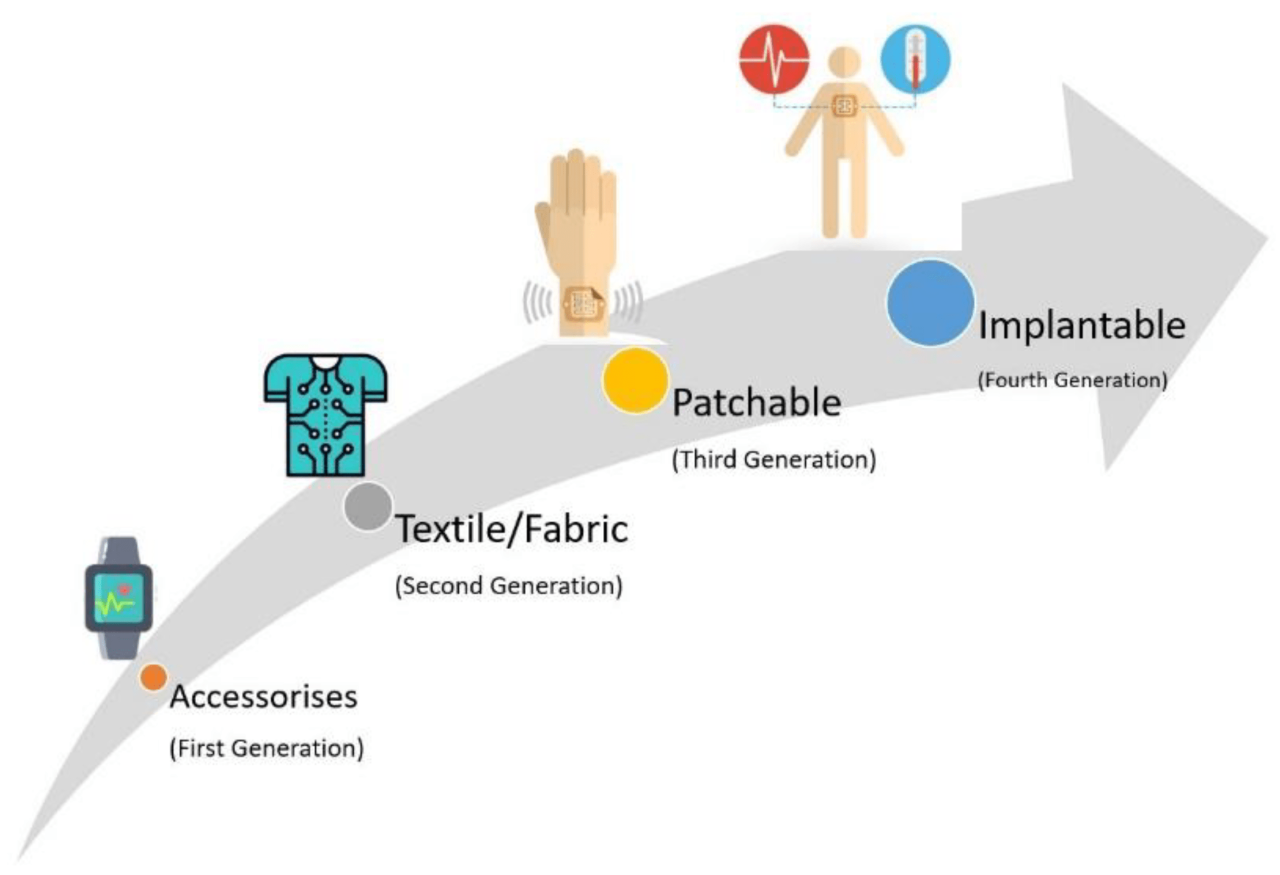
Wearable technology fabrics refer to textiles that are integrated with electronic components to enhance functionality and provide additional features to the wearer. These fabrics are designed to be comfortable, flexible, and functional while incorporating technology seamlessly into everyday clothing.
Key Characteristics of Fabrics Used in Wearable Technology
- Conductivity: Fabrics need to be able to conduct electricity to support the integration of electronic components.
- Flexibility: Wearable technology fabrics must be flexible to allow movement and ensure comfort for the wearer.
- Breathability: It is essential for the fabric to be breathable to prevent overheating and discomfort.
- Washability: Fabrics used in wearable technology should be washable without damaging the electronic components.
Importance of Durability in Wearable Technology Fabrics
Durability is crucial in wearable technology fabrics to ensure longevity and reliability of the electronic components. Fabrics need to withstand daily wear and tear, washing cycles, and environmental factors to maintain functionality over time.
Comparison of Different Types of Wearable Technology Fabrics
| Fabric Type | Characteristics |
|---|---|
| Conductive Fabrics | Highly conductive, suitable for sensors and electrodes. |
| Stretchable Fabrics | Designed to stretch and contract with movement, ideal for fitness trackers and smart clothing. |
| Thermal Fabrics | Regulate body temperature through heating or cooling elements, perfect for outdoor activities. |
| Waterproof Fabrics | Protect electronic components from moisture, suitable for sports and outdoor use. |
Smart Textiles
Smart textiles, also known as e-textiles, are fabrics that incorporate technology to provide added functionality. These textiles have the ability to interact with the wearer or the environment, making them a key component of wearable technology.
Applications of Smart Textiles
Smart textiles are used in various industries for different applications, including:
- Healthcare: Smart textiles can monitor vital signs, track movement, and even deliver medication to patients.
- Sports: Athletes use smart textiles to track performance metrics like heart rate, body temperature, and distance covered.
- Fashion: Designers incorporate smart textiles into clothing for lighting effects, color changes, and interactive elements.
Examples of Smart Textiles
Some examples of smart textiles used in the industry include:
- Conductive fabrics: Fabrics that have conductive properties for transmitting electricity.
- Shape memory alloys: Materials that can change shape in response to temperature changes.
- Thermochromic fabrics: Fabrics that change color based on temperature variations.
Integration of Electronics into Smart Textiles
Electronics are integrated into smart textiles through the use of conductive fibers and embedded sensors. These components allow the textiles to collect and transmit data, enabling various functionalities such as monitoring health metrics or providing feedback to the wearer.
Role of Conductive Fibers in Smart Textiles
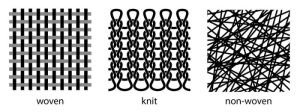
Conductive fibers play a crucial role in smart textiles by facilitating the flow of electricity through the fabric. These fibers can be woven into the textile structure or coated onto the surface, allowing for seamless integration of electronics and sensors. Conductive fibers enable the transmission of signals and power, making smart textiles interactive and functional.
Performance Enhancing Fabrics
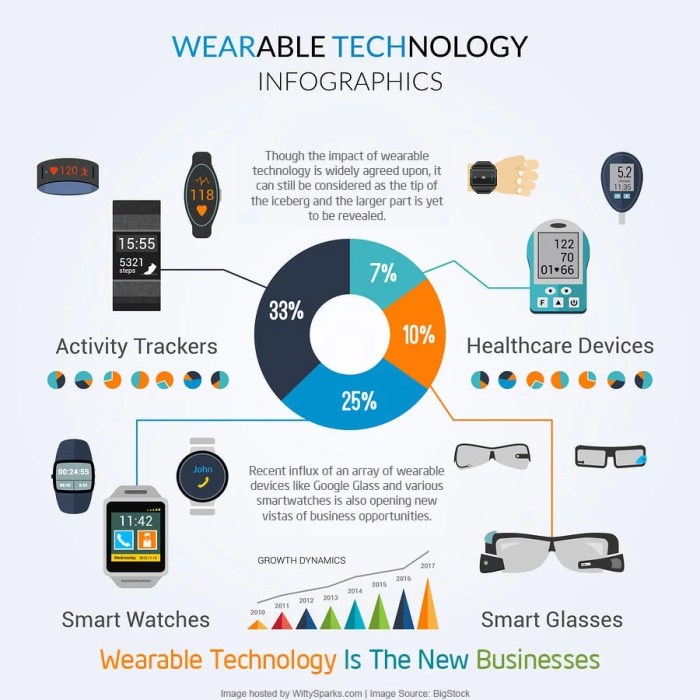
Wearable technology fabrics are revolutionizing the world of sports by offering performance-enhancing features that traditional fabrics simply cannot match. From moisture-wicking properties to compression benefits, these fabrics are changing the game for athletes everywhere.
Impact of Moisture-Wicking Fabrics on Athletic Wear
Moisture-wicking fabrics are designed to pull sweat away from the body to the outer surface of the fabric where it can evaporate quickly. This helps athletes stay dry and comfortable during intense workouts or competitions. By keeping the body cool and dry, these fabrics can enhance performance by preventing overheating and chafing.
Benefits of Compression Fabrics in Sportswear
Compression fabrics provide targeted support to muscles, reduce muscle fatigue, and improve circulation. This can lead to enhanced performance, faster recovery times, and reduced risk of injury. The compression technology in these fabrics helps athletes maintain proper form and improve their overall efficiency during physical activities.
Comparison of Traditional Sportswear Fabrics with Performance-Enhancing Fabrics
Traditional sportswear fabrics like cotton tend to absorb moisture and become heavy and uncomfortable during workouts. In contrast, performance-enhancing fabrics offer superior moisture management, breathability, and flexibility. These advanced fabrics allow athletes to focus on their performance without being hindered by sweat-soaked clothing or restricted movement.
Health Monitoring Fabrics
Wearable technology fabrics are revolutionizing the way we monitor our health by seamlessly integrating sensors into our clothing. These smart textiles are designed to provide real-time data on various health metrics, offering convenience and comfort for users.
Integration of Sensors in Fabrics
- Health monitoring fabrics utilize tiny sensors embedded within the fabric to track vital signs such as heart rate, respiration rate, and even oxygen levels.
- These sensors are strategically placed to ensure accurate data collection without compromising the comfort or flexibility of the garment.
- The data collected by these sensors can be transmitted to a mobile device or a cloud-based platform for further analysis and monitoring.
Biometric Monitoring through Wearable Fabrics
- Wearable technology fabrics have the potential to enable continuous monitoring of biometric data, allowing users to track their health status throughout the day.
- By monitoring biometric data such as heart rate variability, temperature, and activity levels, these fabrics provide valuable insights into overall health and well-being.
- Users can set personalized health goals and receive alerts or notifications based on their biometric data, promoting proactive health management.
Examples of Health Monitoring Garments
- Smart shirts with built-in ECG sensors that monitor heart activity and detect irregularities.
- Compression sleeves with embedded sensors that track muscle fatigue and recovery during physical activities.
- Smart socks with pressure sensors that analyze gait and detect potential issues related to foot health.
Concluding Remarks
As we wrap up our journey through the realm of Wearable technology fabrics, remember that the future of fashion is not just about looking good but also feeling good with the seamless integration of technology into our everyday wear. Stay stylish, stay functional, and embrace the future with open arms!
FAQ Overview
How do wearable technology fabrics differ from traditional fabrics?
Wearable technology fabrics are specifically designed to integrate technology seamlessly, offering functionalities beyond what traditional fabrics can provide.
What are some examples of smart textiles used in wearable technology?
Smart textiles like conductive fabrics, shape memory alloys, and thermochromic textiles are commonly used in wearable technology for various applications.
How do performance-enhancing fabrics impact sports apparel?
Performance-enhancing fabrics improve athletes’ performance by offering features like moisture-wicking, compression, and enhanced durability.
Can wearable technology fabrics monitor health?
Yes, wearable technology fabrics can monitor health by integrating sensors for tracking vital signs and activities, paving the way for innovative health monitoring solutions.