Embark on a journey through the realm of Textile waste management solutions, where creativity meets sustainability in a harmonious blend of innovation and practicality. Get ready to explore the fascinating world of managing textile waste with cutting-edge solutions that make a difference.
As we delve deeper, we’ll uncover the challenges, sustainable practices, recycling and upcycling initiatives, and the intricate relationship between textiles and nonwovens. Brace yourself for an enlightening and engaging exploration of this crucial topic.
Textile Waste Management Solutions
Textile waste management refers to the process of reducing, reusing, and recycling textile materials to minimize the environmental impact of textile production and consumption. It involves implementing strategies to divert textile waste from landfills and promote sustainable practices in the fashion and textile industry.
Examples of Textile Waste Management Solutions:
- Implementing textile recycling programs to collect and process used textiles for reuse in new products.
- Encouraging consumers to donate unwanted clothing to charity organizations or textile recycling facilities.
- Developing technologies for upcycling textile waste into new textiles or other products.
- Collaborating with fashion designers to create zero-waste collections using pre-consumer textile waste.
The Importance of Effective Textile Waste Management Strategies:
Effective textile waste management is crucial for reducing the environmental impact of the fashion industry, which is known for its high resource consumption and waste generation. By implementing sustainable practices and innovative solutions, the industry can minimize its carbon footprint, conserve natural resources, and promote a circular economy where textiles are reused and recycled instead of being disposed of in landfills.
Overall, effective textile waste management strategies contribute to a more sustainable and environmentally friendly fashion industry.
Challenges in Textile Waste Management
Managing textile waste poses several challenges that need to be addressed in order to minimize the environmental impact and promote sustainability.
Identification and Segregation of Textile Waste
One of the key challenges in textile waste management is the proper identification and segregation of different types of textile waste, including clothing, fabrics, and accessories. Without efficient systems in place, it can be difficult to separate reusable items from those that are destined for disposal.
Lack of Recycling Infrastructure
Another common challenge is the lack of adequate recycling infrastructure for textile waste. Many regions do not have facilities or processes in place to recycle or upcycle textile materials, leading to a significant amount of waste being sent to landfills.
Fast Fashion and Overconsumption
The rise of fast fashion has contributed to an increase in textile waste, as consumers are constantly purchasing and discarding clothing items at a rapid pace. Overconsumption exacerbates the waste management problem and puts a strain on natural resources.
Chemical Contamination and Pollution
Improper disposal of textile waste can lead to chemical contamination of soil and water sources, posing a threat to the environment and human health. The presence of synthetic fibers and dyes in textiles can further contribute to pollution if not managed effectively.
Sustainable Practices in Textile Waste Management
Implementing sustainable practices in textile waste management is vital for reducing the environmental impact of the fashion industry. By adopting eco-friendly strategies, companies can minimize waste generation and promote a circular economy.
Utilization of Recycling Technologies
One effective sustainable practice is the utilization of advanced recycling technologies to convert textile waste into new fibers or materials. This process helps in reducing the consumption of raw materials and energy, while also diverting waste from landfills.
Implementation of Extended Producer Responsibility (EPR)
Another key sustainable practice is the implementation of Extended Producer Responsibility (EPR) programs, where manufacturers take responsibility for the entire lifecycle of their products. This encourages companies to design products with recyclability in mind and invest in take-back schemes for used textiles.
Adoption of Sustainable Materials
Choosing sustainable materials such as organic cotton, hemp, or recycled polyester can also contribute to reducing the environmental footprint of textile production. These materials are biodegradable, require fewer resources to produce, and have lower carbon emissions compared to traditional fabrics.
Promotion of Circular Fashion
Promoting circular fashion practices, such as clothing rental, resale, and upcycling, can help extend the lifespan of garments and reduce the overall demand for new textiles. This shift towards a circular economy model can significantly decrease textile waste generation.
Recycling and Upcycling in Textile Waste Management
Recycling and upcycling play a crucial role in managing textile waste by giving new life to materials that would otherwise end up in landfills. These practices help reduce the environmental impact of the textile industry and promote sustainability.
Recycling in Textile Waste Management
Recycling in textile waste management involves breaking down used textiles into raw materials that can be used to create new products. This process helps conserve resources and reduce the need for new materials, ultimately decreasing the amount of waste generated by the industry.
- One successful example of recycling in the textile industry is the conversion of old clothing into new fabric. Companies like Patagonia have implemented programs that allow customers to return their worn-out garments for recycling, turning them into new clothing items.
- Another innovative approach to textile recycling is the use of recycled polyester made from plastic bottles. Brands like Adidas have incorporated recycled polyester into their products, reducing the demand for virgin polyester and minimizing environmental impact.
Upcycling in Textile Waste Management
Upcycling involves repurposing textile waste into new products of higher value or quality. This practice not only reduces waste but also promotes creativity and innovation in the industry.
- An inspiring example of upcycling in the textile industry is the transformation of denim scraps into insulation material for homes. By upcycling denim waste, companies like The North Face are able to reduce landfill waste and create sustainable insulation solutions.
- Some fashion designers have embraced upcycling by incorporating vintage or second-hand textiles into their collections. This approach not only adds a unique touch to their designs but also promotes sustainable fashion practices.
Textiles and Nonwovens
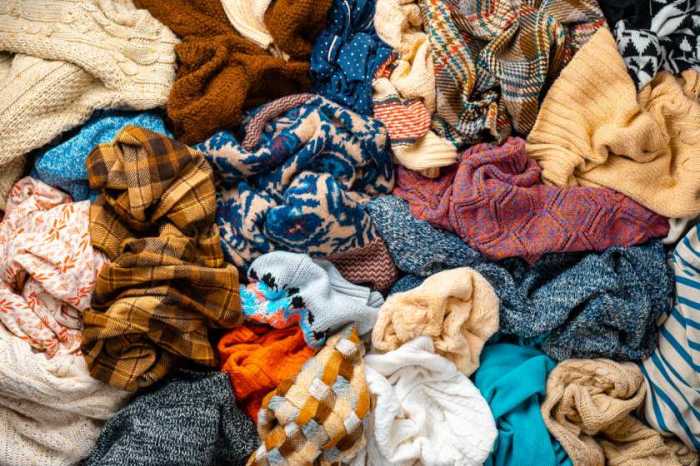
Textiles and nonwovens play a significant role in various industries, but they differ in their composition and applications. Textiles are typically woven or knitted fabrics made from natural or synthetic fibers, while nonwovens are engineered fabrics formed by bonding or interlocking fibers without weaving or knitting.
Applications of Textiles and Nonwovens
- Textiles: Used in clothing, home furnishings, and technical textiles like tents and parachutes.
- Nonwovens: Commonly found in medical and hygiene products, filtration materials, and automotive components.
Environmental Impact of Textile Waste
Both textiles and nonwovens contribute to environmental pollution due to the waste generated during production and disposal. The disposal of these materials often leads to landfills, where they can take years to decompose and release harmful chemicals into the environment.
Conclusive Thoughts
In conclusion, Textile waste management solutions offer a ray of hope in the battle against textile waste, emphasizing the need for effective strategies and sustainable practices. Let’s continue to work towards a greener future by embracing innovative solutions and responsible waste management in the textile industry.
Clarifying Questions
How can businesses implement effective textile waste management solutions?
Businesses can implement effective textile waste management solutions by adopting sustainable practices, promoting recycling and upcycling initiatives, and investing in innovative techniques to reduce waste generation.
What are some innovative sustainable textile waste management techniques?
Some innovative sustainable textile waste management techniques include using recycled materials in production, implementing closed-loop systems, and collaborating with eco-friendly partners for waste disposal.
What is the difference between textiles and nonwovens in terms of waste management?
Textiles are woven or knitted fabrics, while nonwovens are produced by bonding or interlocking fibers. Managing waste from textiles involves recycling fabric scraps, while nonwovens may require different disposal methods due to their manufacturing process.